Wedding Traditions Around the World
The breaking of the glass, the seven steps around the fire, the tea ceremony, the lasso and the crowns — what they mean, and how couples of mixed heritage bring them together.
Weddings everywhere are made of a surprisingly small set of ideas: two people are bound together, walk or turn together, share food or drink, and are blessed by the people who love them. What differs is how. Here are some of the customs you are most likely to meet at a wedding — or want to bring to your own. Every one of them varies from family to family and region to region; take this as an introduction, not a rulebook.
Jewish weddings
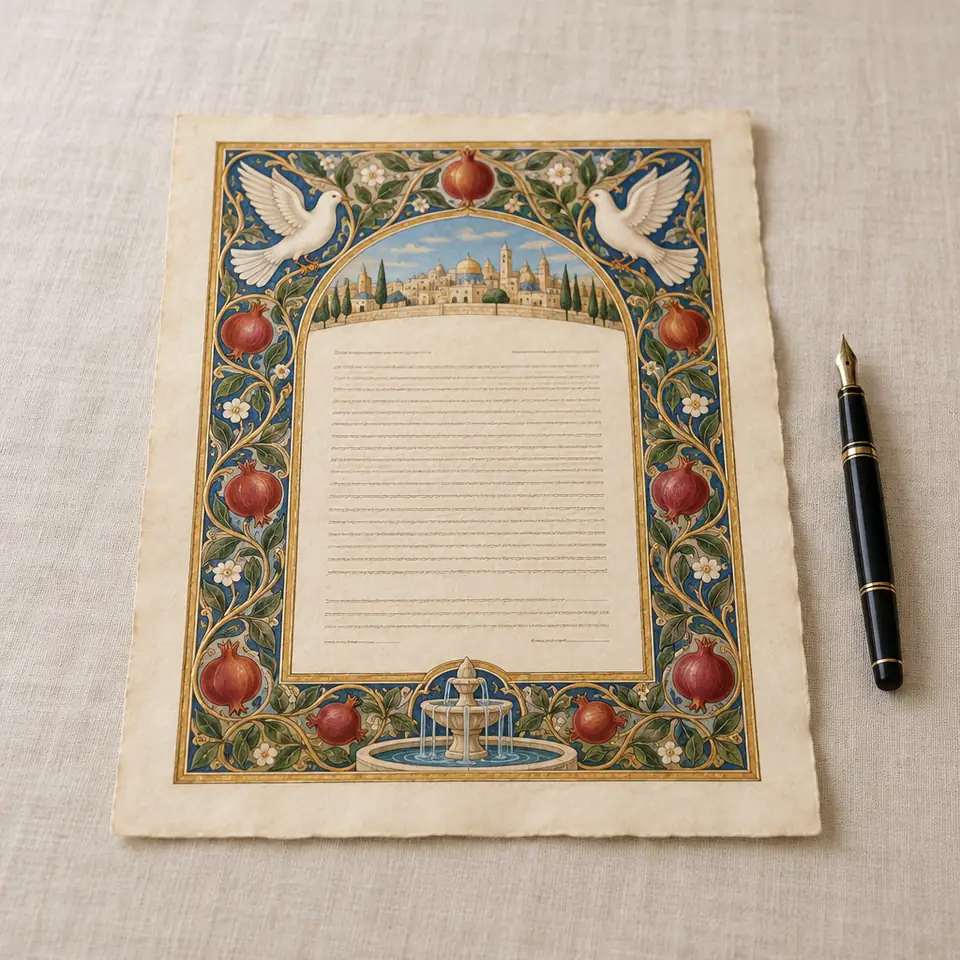
The ketubah, the marriage contract, is signed by witnesses before the ceremony. Traditionally written in Aramaic and setting out the husband’s obligations, many are now beautifully illuminated documents with egalitarian texts, framed and hung at home.
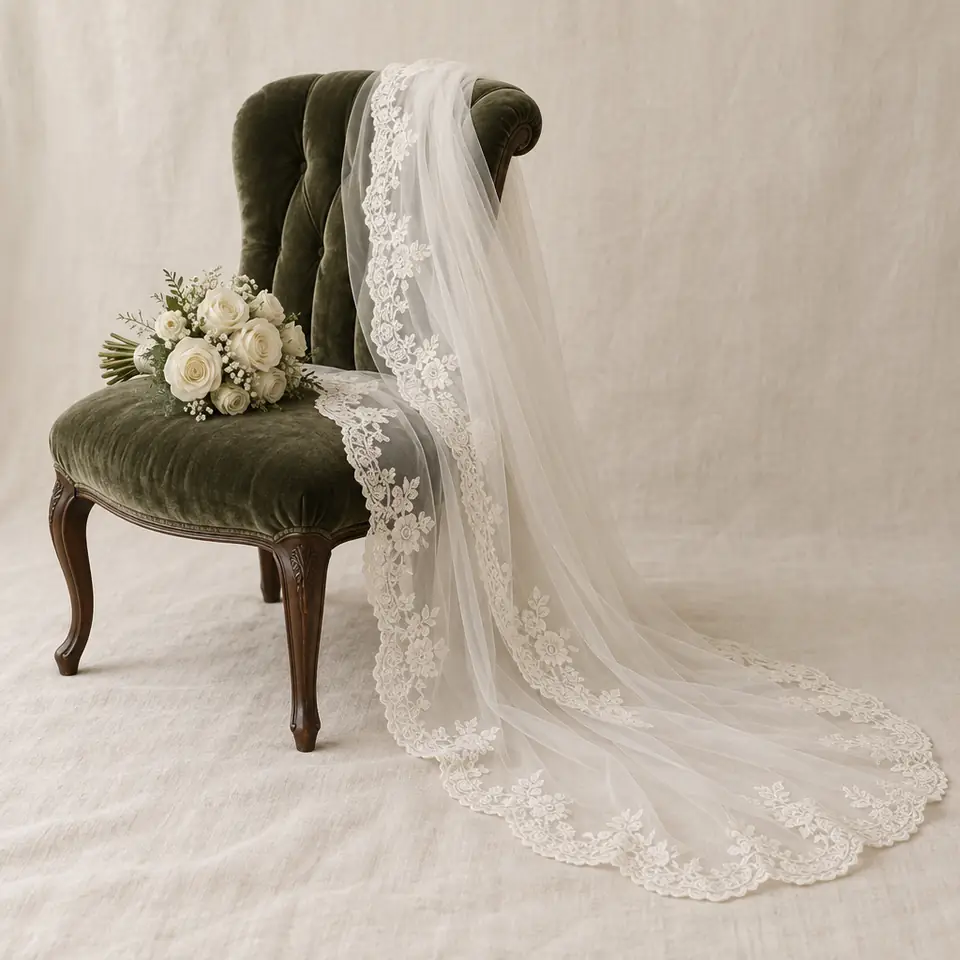
The bedeken — the veiling — takes place before the ceremony, when the groom lowers the veil over the bride’s face.
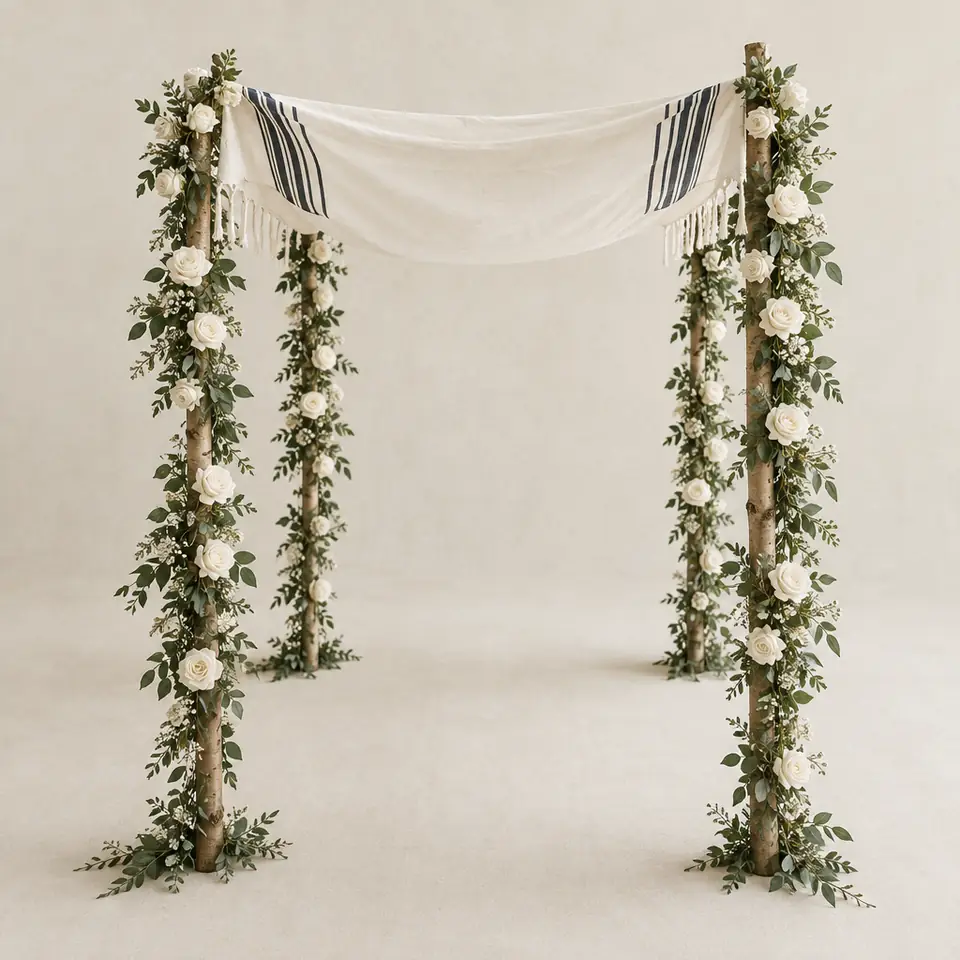
The chuppah, a canopy open on all sides, stands for the home the couple will build together: open to guests, as Abraham’s tent was said to be.
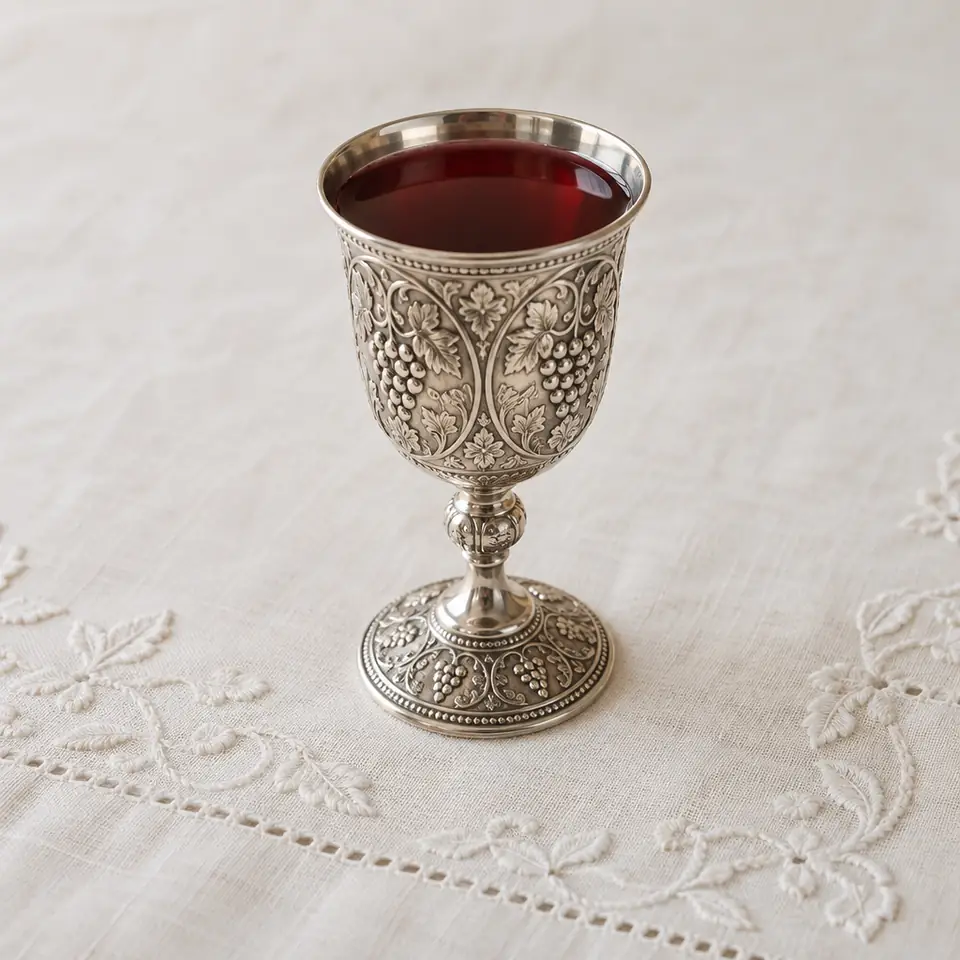
The seven blessings, the sheva brachot, are recited or sung over a cup of wine, often by honored guests one at a time. We explain them in the Seven Blessings.
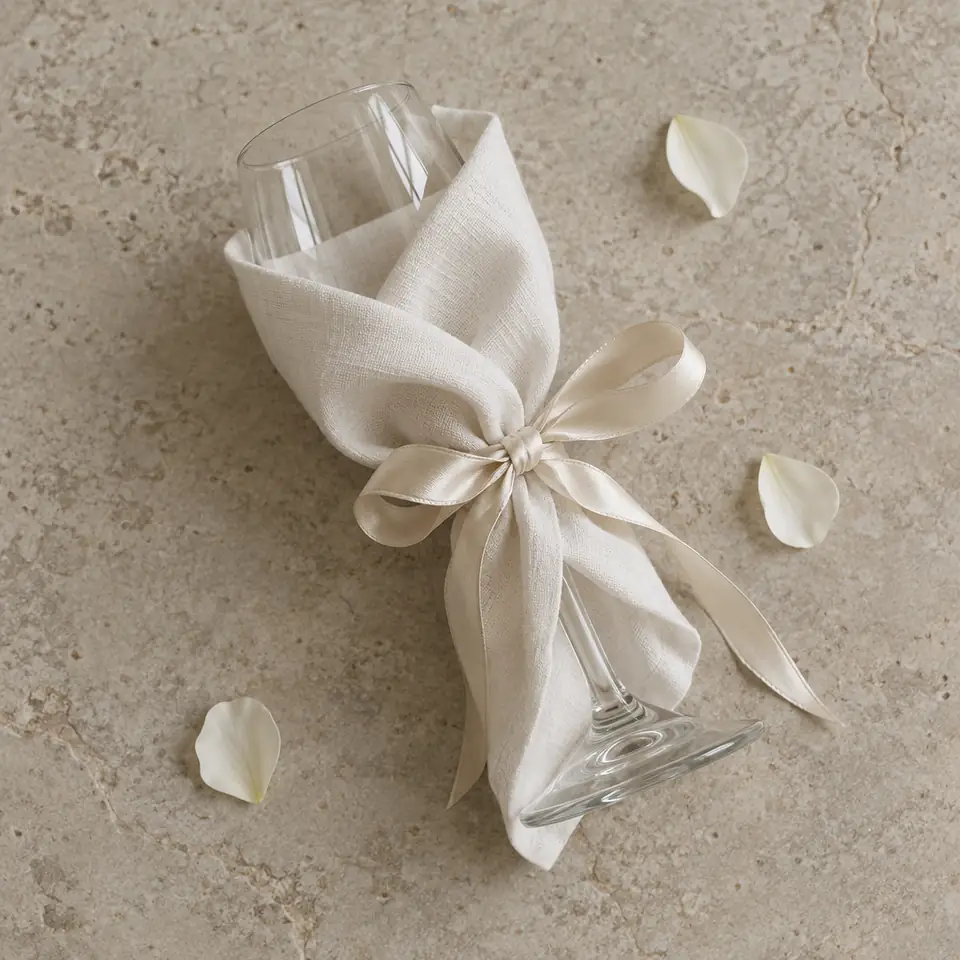
Breaking the glass ends the ceremony: the groom — increasingly both partners — steps on a glass wrapped in cloth, and the guests shout Mazel tov! The meanings offered include remembrance of the destroyed Temple in Jerusalem, a reminder that even at the happiest moment the world is broken, and simply the irreversibility of what has just happened.
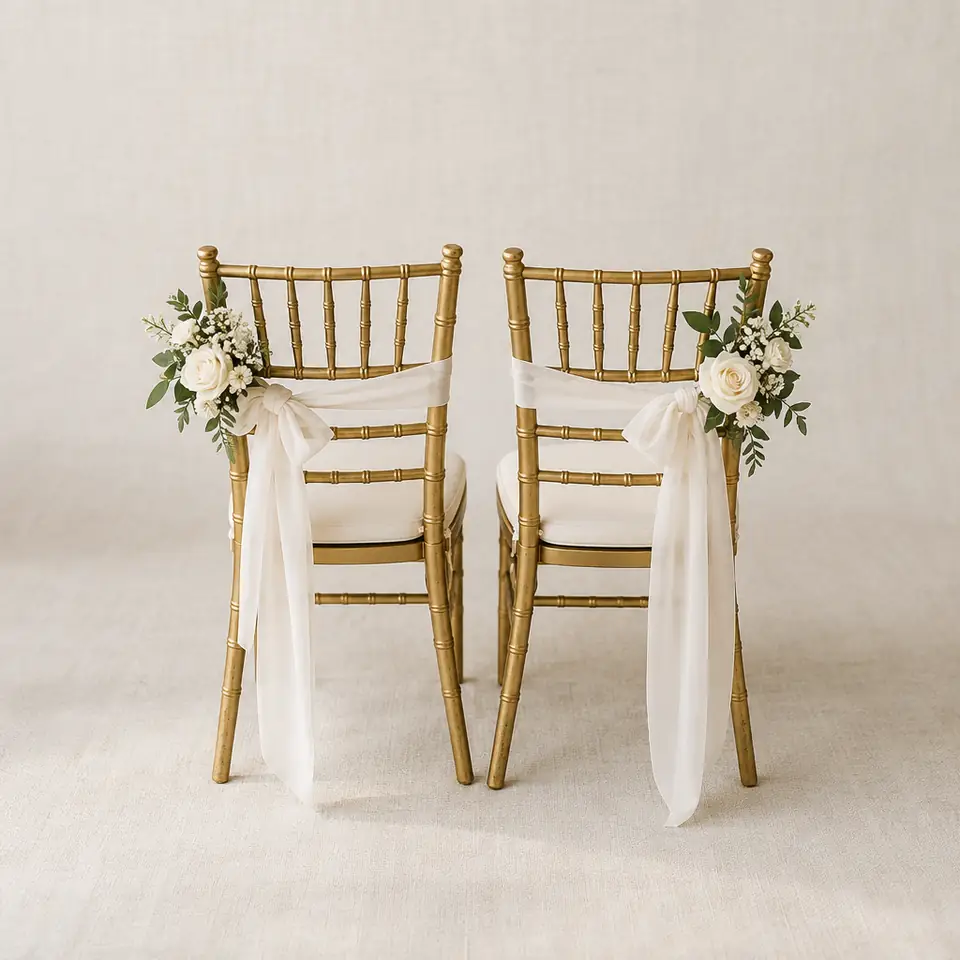
The hora at the reception lifts the couple into the air on chairs while the guests dance in circles around them.
Hindu weddings
A traditional Hindu wedding is not a day but a sequence of ceremonies, and customs differ significantly between regions and communities.
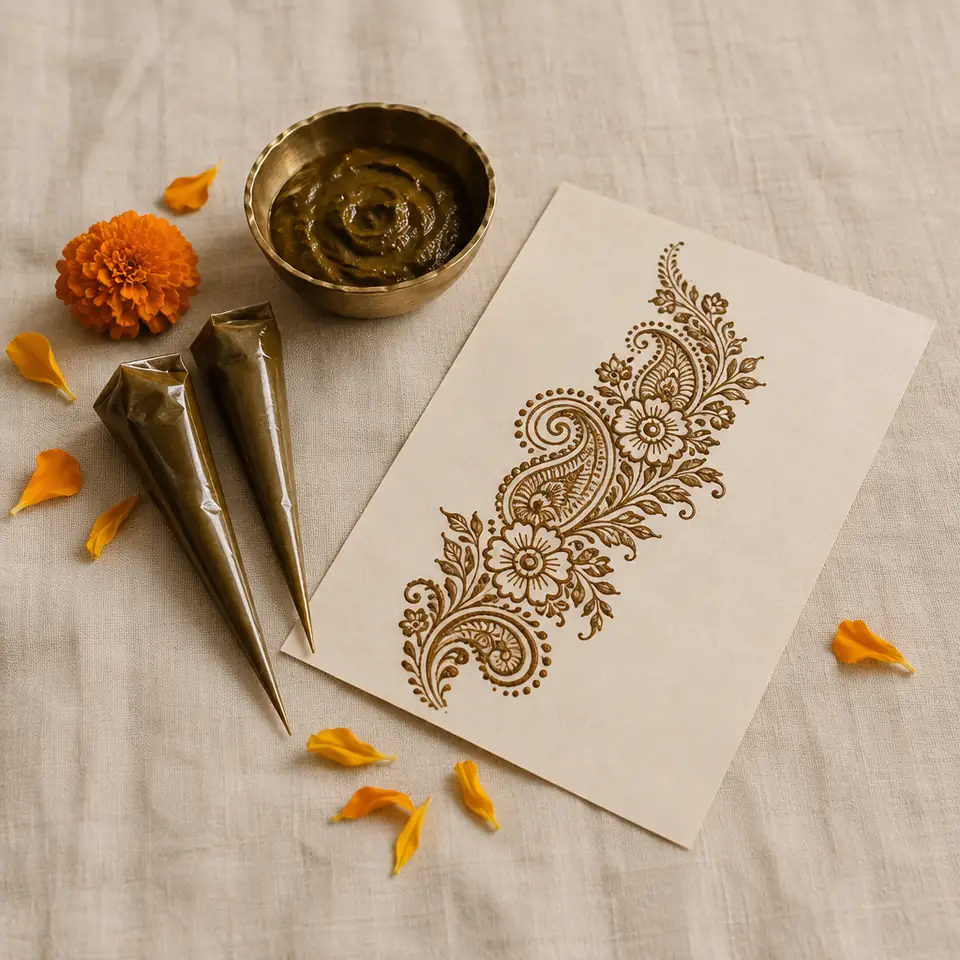
Mehndi, often the night before, is a celebration at which intricate henna designs are painted on the bride’s hands and feet. Tradition says the darker the stain, the deeper the love — and the groom’s name is sometimes hidden in the pattern for him to find.
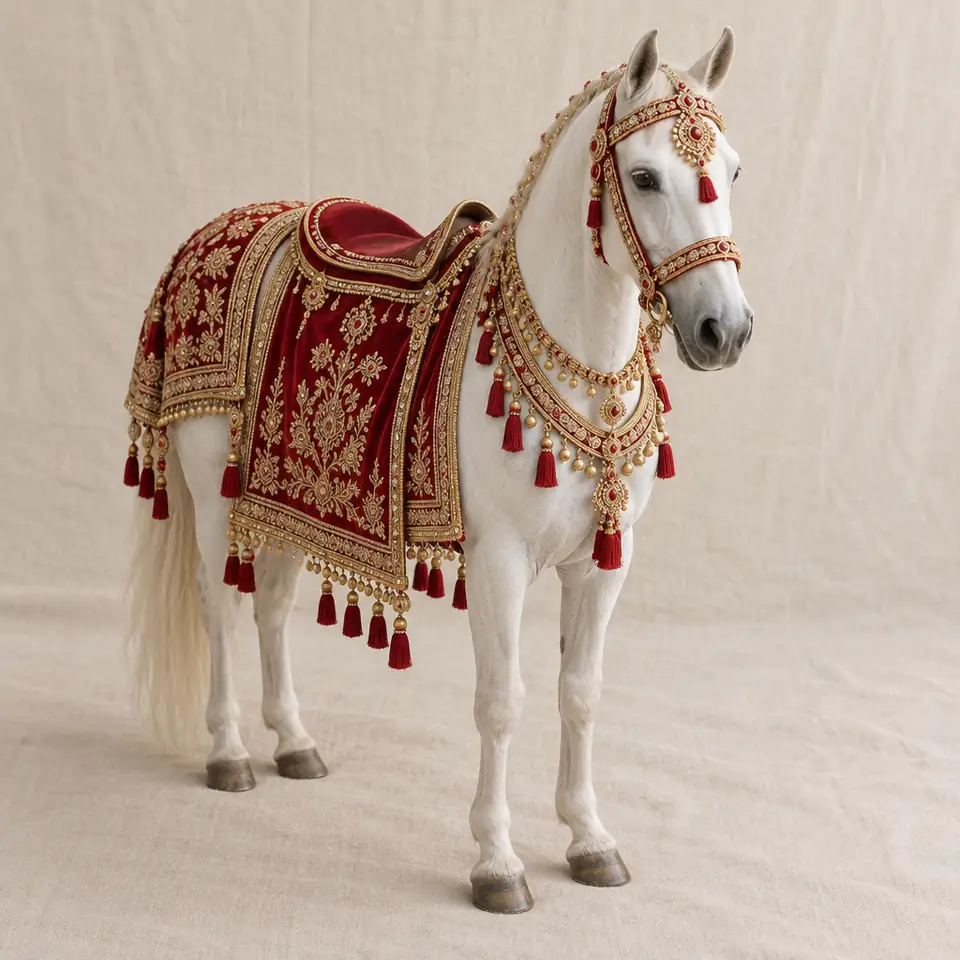
The baraat is the groom’s procession to the wedding, sometimes on a horse, surrounded by dancing family and a band.
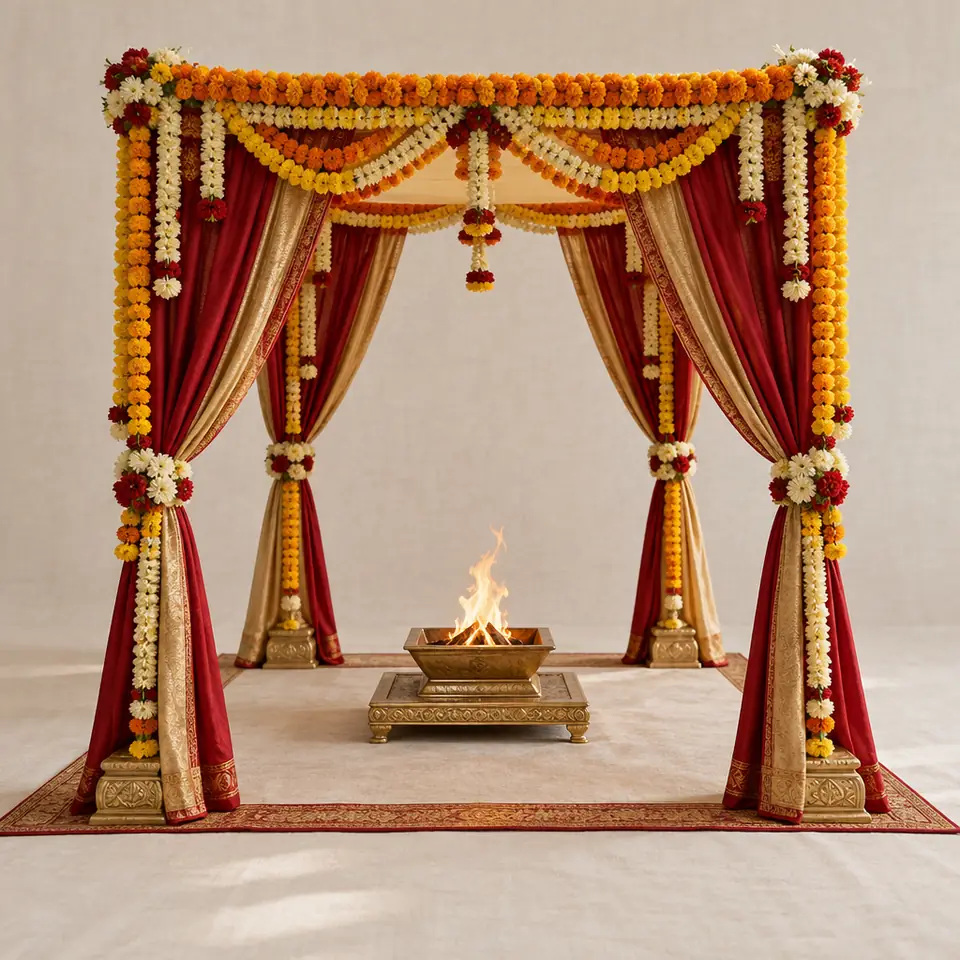
The mandap is the canopied structure where the ceremony takes place, around a sacred fire.
Kanyadaan is the giving of the bride by her parents.
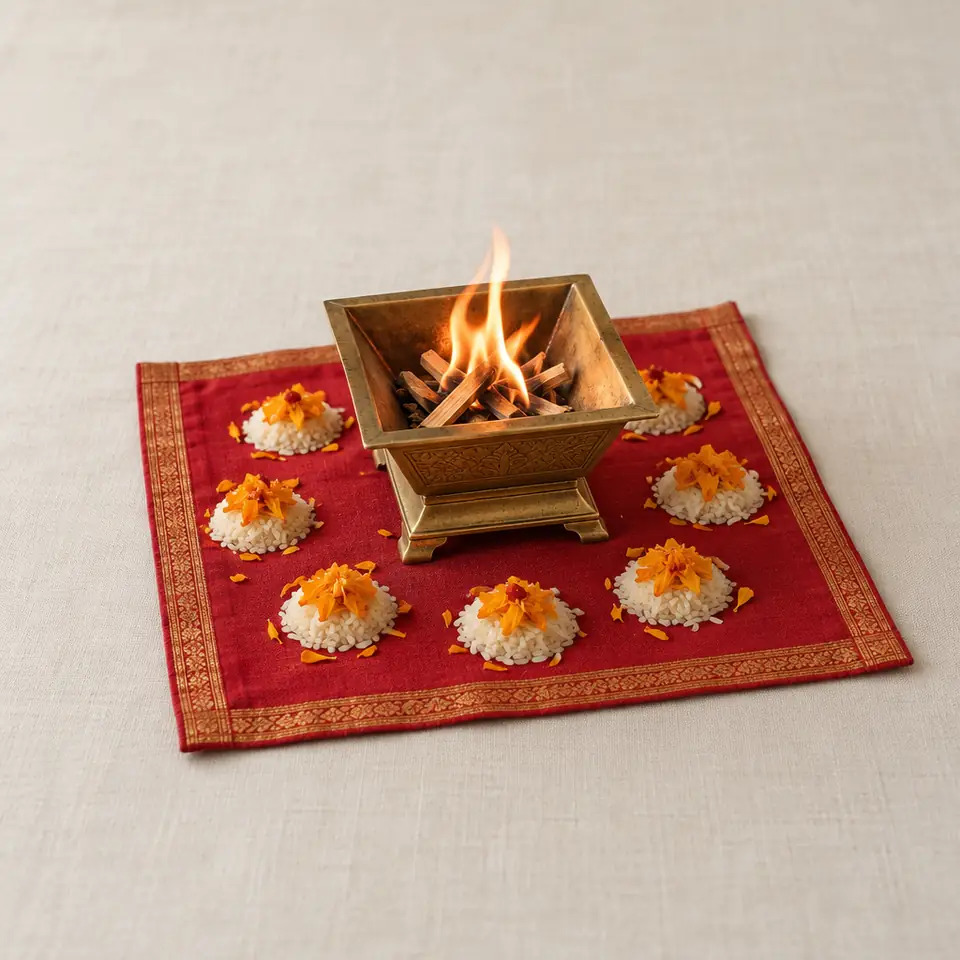
The saptapadi, the seven steps, is the heart of many Hindu ceremonies: the couple walk seven steps or circle the fire seven times, often with their garments tied together, making a vow at each step — for nourishment, strength, prosperity, happiness, children, long life, and friendship. After the seventh, they are married.
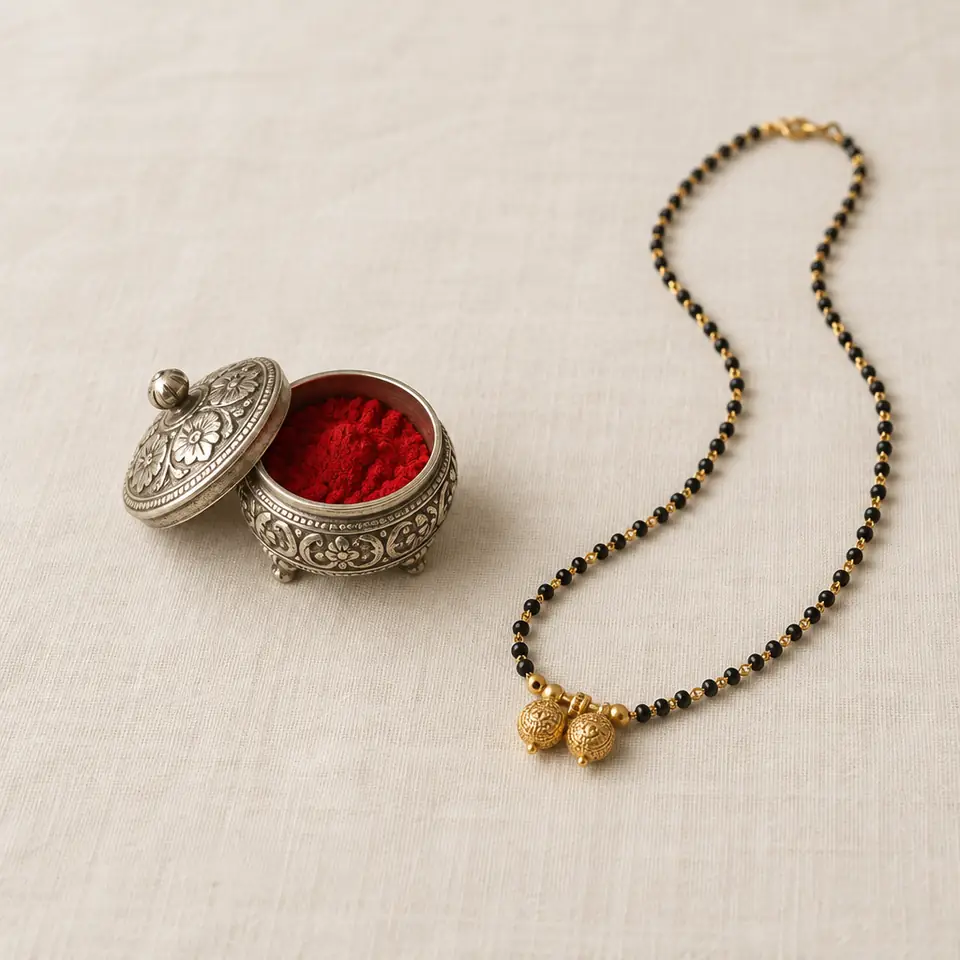
Sindoor — red powder in the parting of the bride’s hair — and the mangalsutra necklace mark a married woman in many communities.
Weddings everywhere are made of a small set of ideas: two people are bound together, walk together, share food, and are blessed by the people who love them.
Chinese weddings
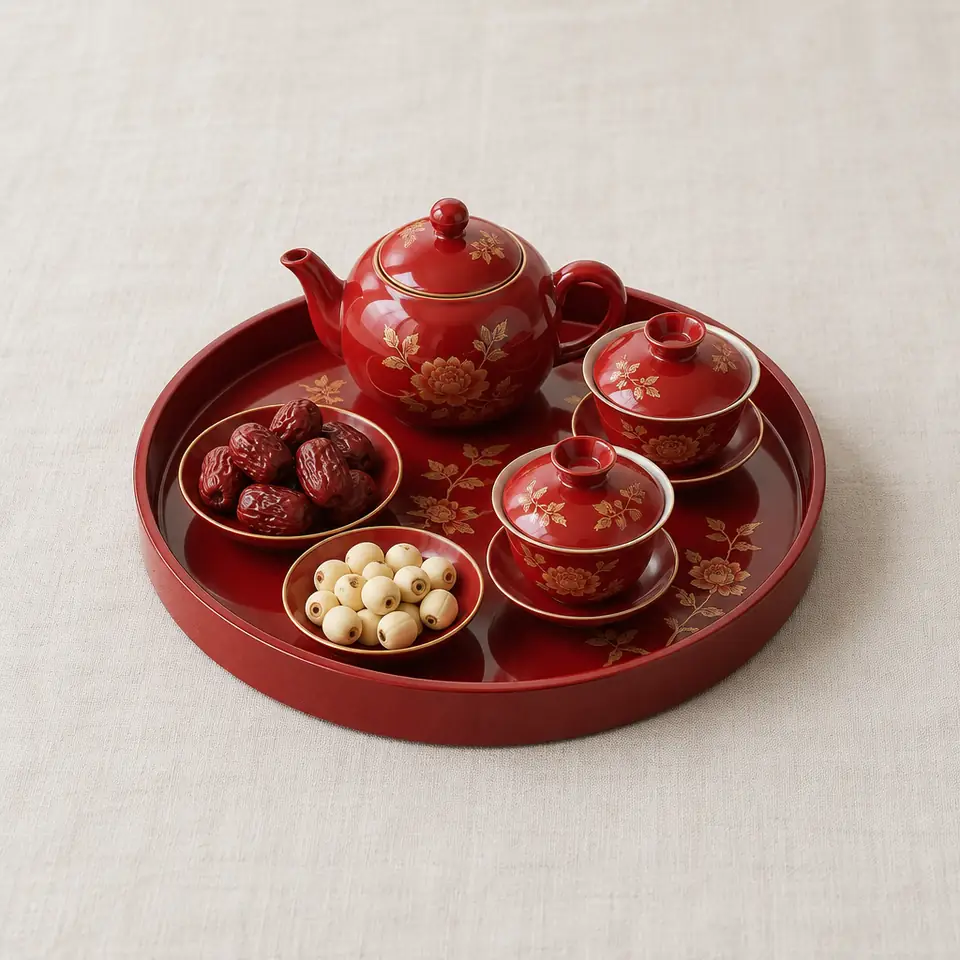
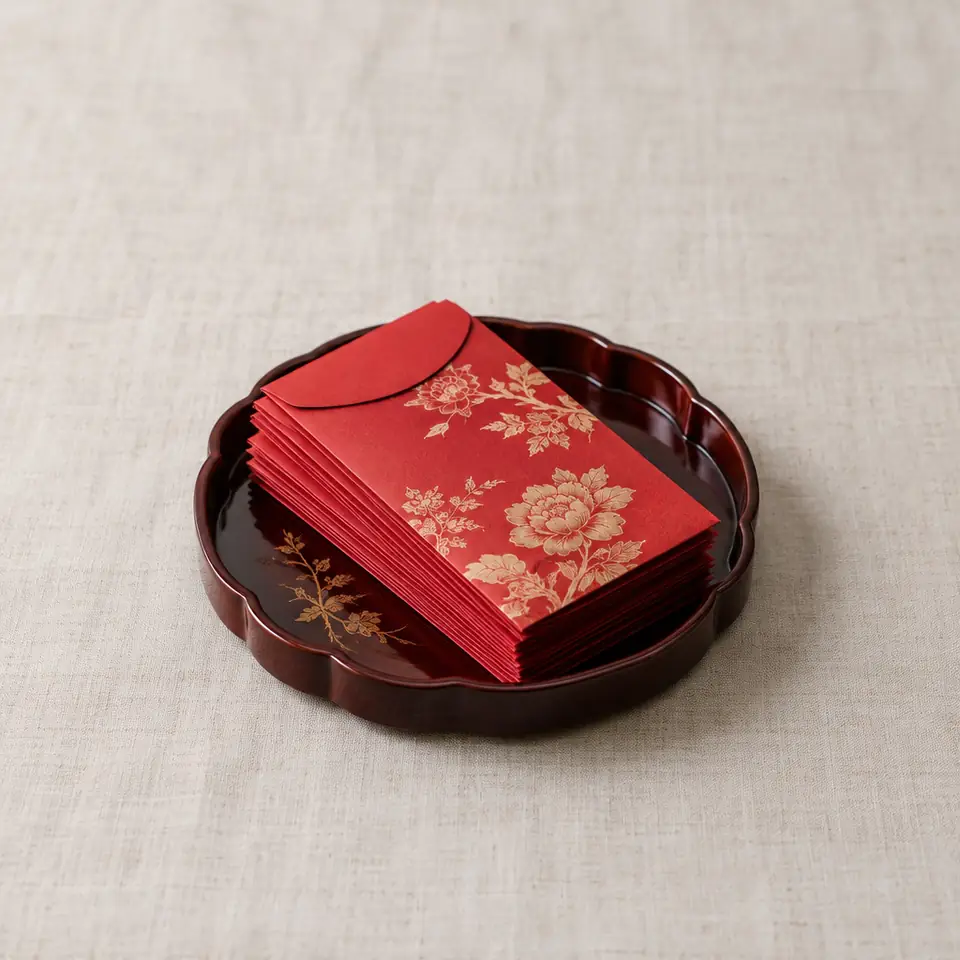
The tea ceremony is the most widely kept tradition. The couple kneel or bow and serve tea to their parents and elders, in order of seniority, and receive blessings — and usually red envelopes of money or gifts of gold jewelry — in return. It is the moment the couple formally show respect to both families.
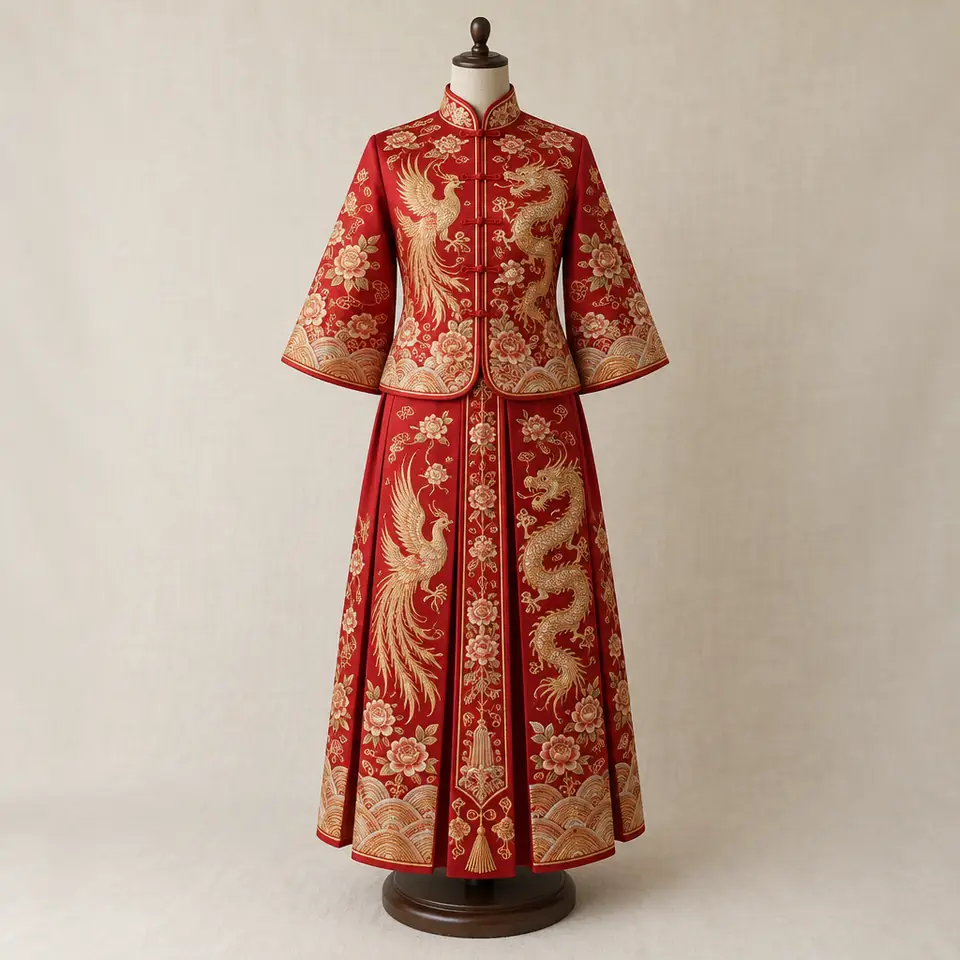
Red is the color of luck and joy, and appears everywhere: the bride’s qipao or qun gua, the envelopes, the decorations. The double happiness character, 囍, is written on invitations and hung on doors.
The door games, in some families, have the groom’s party perform challenges set by the bridesmaids before he is allowed in to collect the bride.
Latin American and Filipino weddings
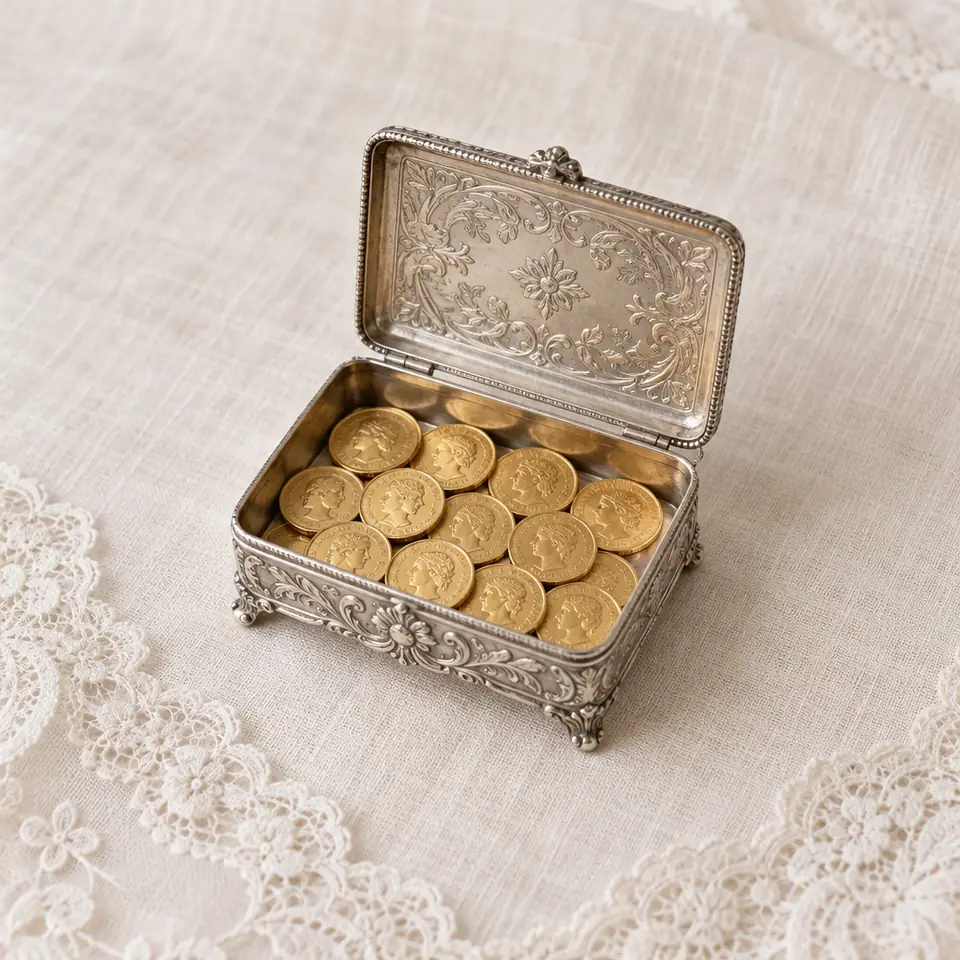
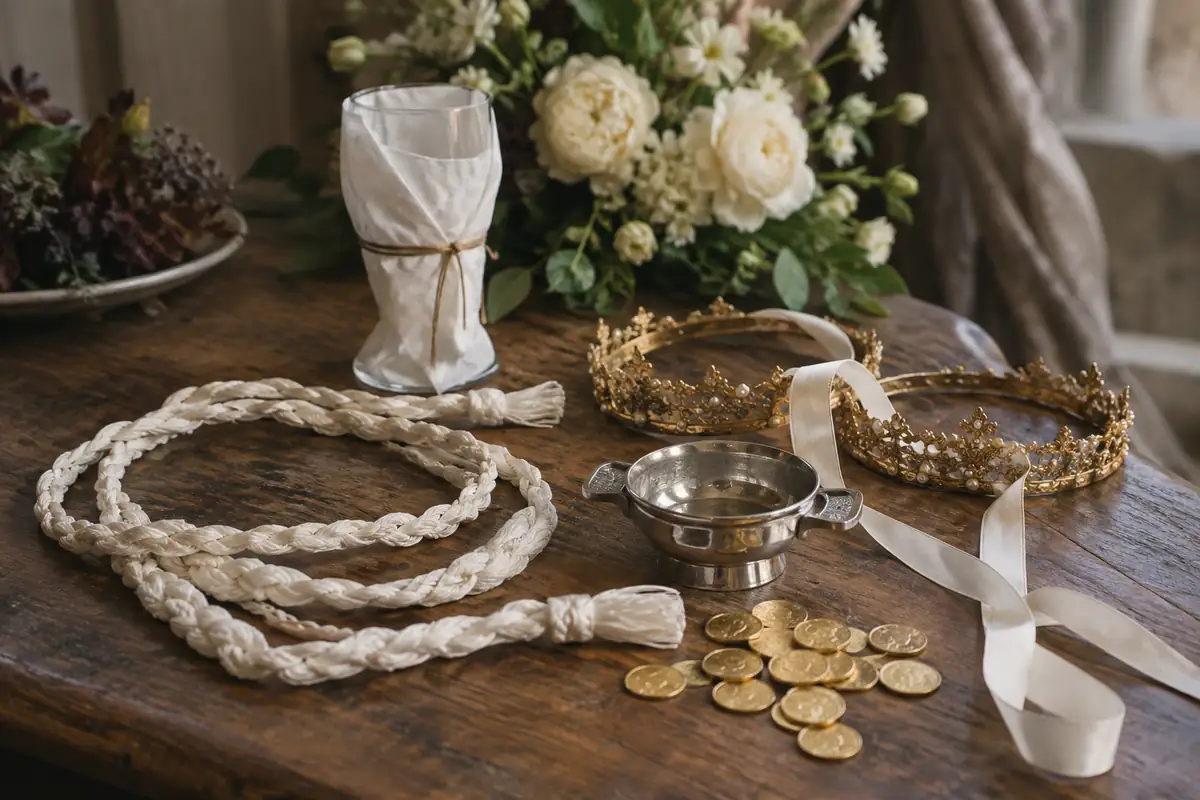
The arras, thirteen coins blessed and passed between the couple, promise that they will share all they have. They come from Spain and appear throughout the Spanish-speaking world; see Puerto Rican wedding traditions.
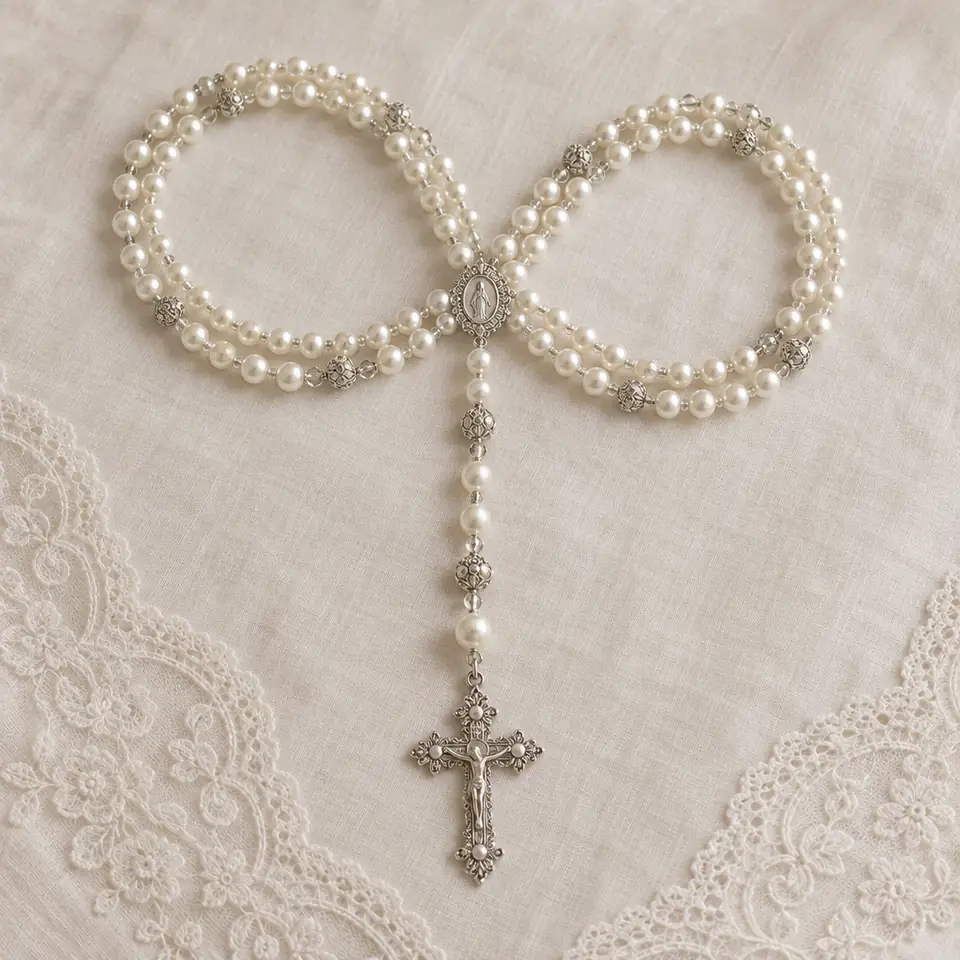
The lazo — a large rosary or silk cord looped in a figure of eight around the couple’s shoulders by their sponsors — binds them symbolically. It is especially associated with Mexican and Filipino Catholic weddings, where the veil and cord ceremony drapes a veil over the bride’s head and the groom’s shoulders before the cord is placed.
Padrinos and madrinas, the wedding’s godparents, sponsor particular parts of the ceremony and support the couple through the marriage.
African and African American weddings
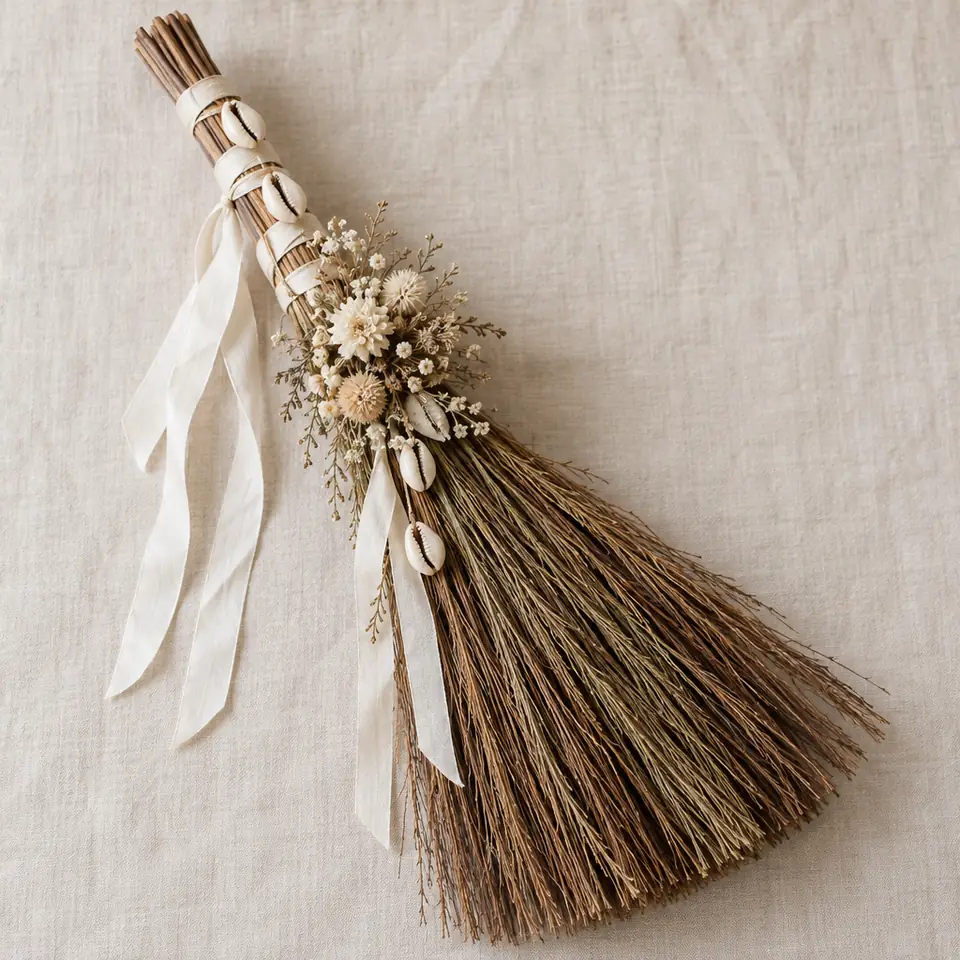
Jumping the broom is best known today as an African American tradition. Its history in the United States reaches back to slavery, when enslaved people were denied legal marriage; it was revived and embraced in the late twentieth century as an act of remembrance and pride. The couple jump over a decorated broom together at the end of the ceremony.
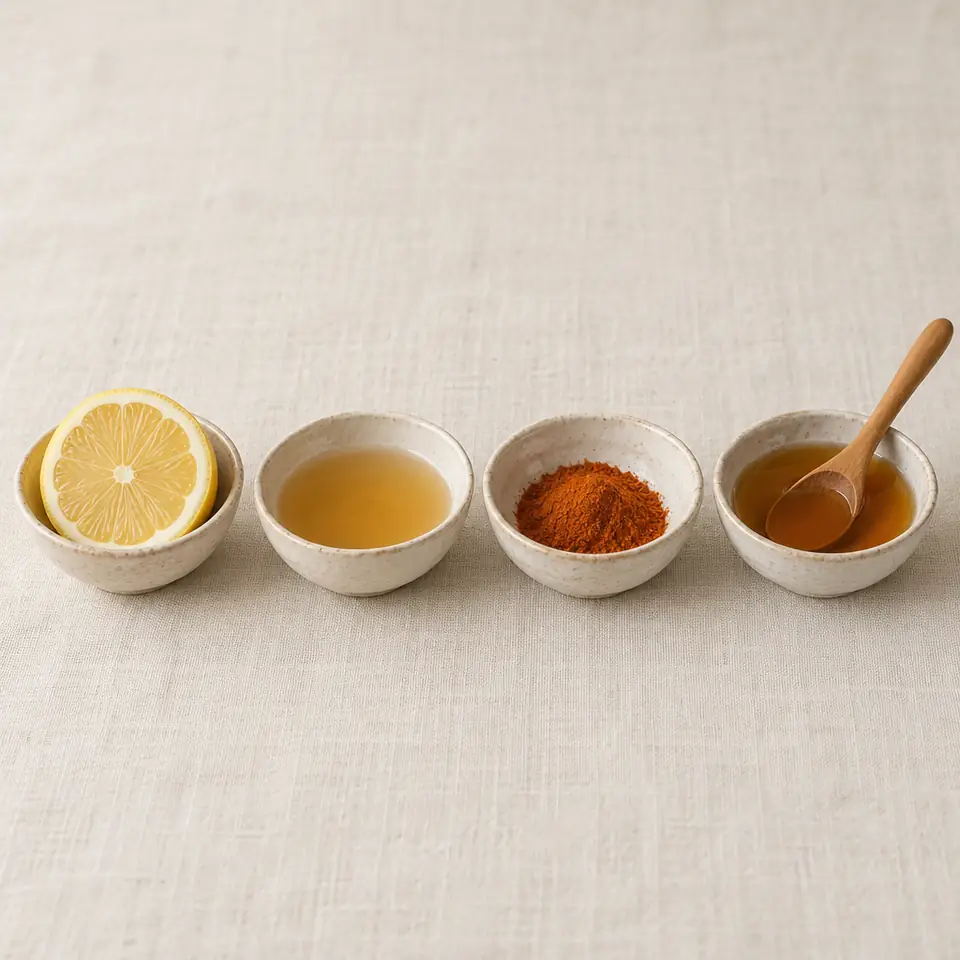
Tasting the four elements — lemon, vinegar, cayenne and honey, for the sour, bitter, hot and sweet times of marriage — is a Yoruba-inspired ritual some couples include.
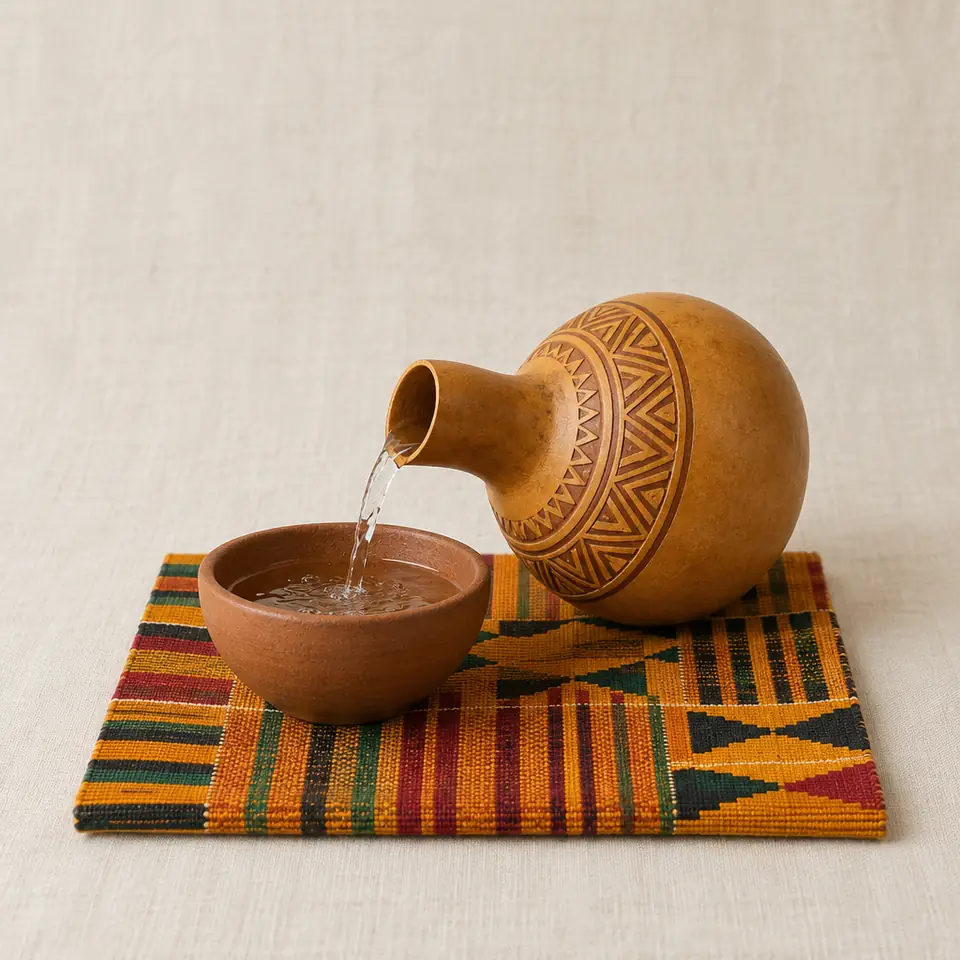
Libation — pouring water or liquor to honor ancestors — opens many ceremonies drawing on West African traditions.
Many Nigerian, Ghanaian and other West African weddings include a separate traditional engagement ceremony, with its own dress, formal negotiations between the families, and a list of gifts for the bride’s family.
Celtic and British traditions
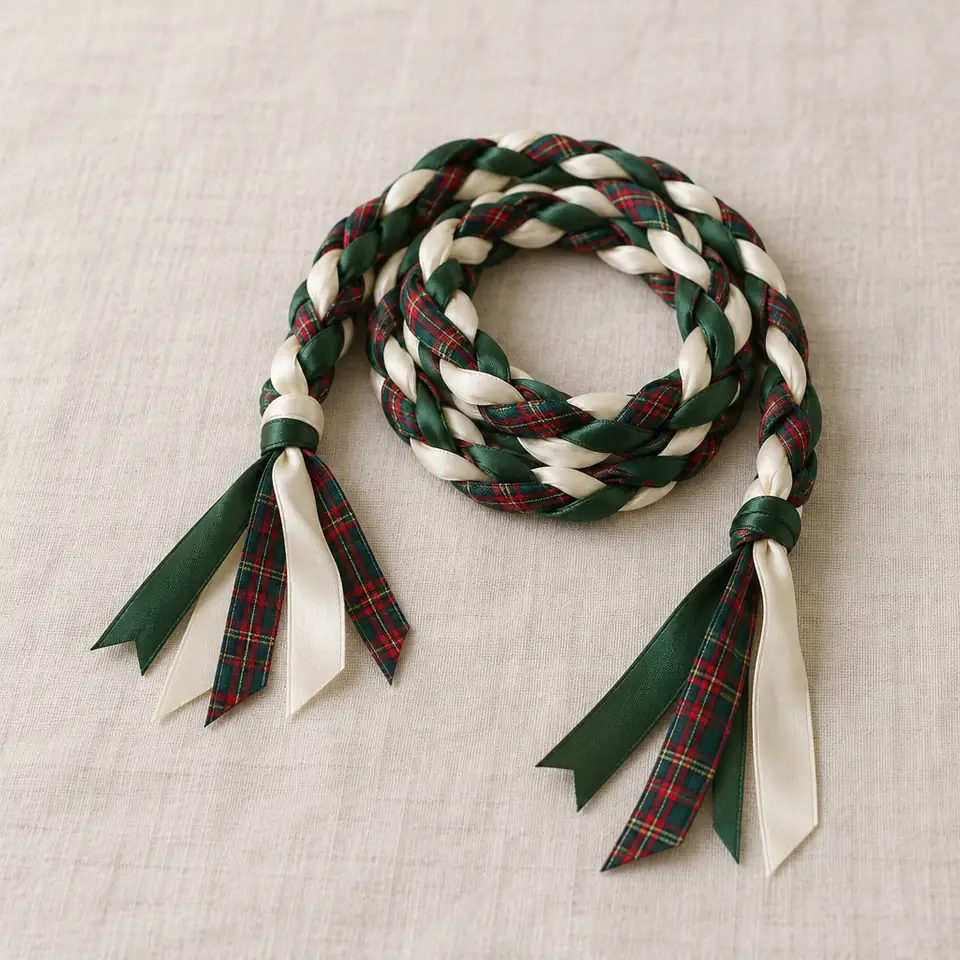
Handfasting binds the couple’s joined hands with cord or ribbon — the likely origin of the phrase tying the knot. Its history in Scotland and Ireland is long; it has become popular again with couples of every background, often as part of an otherwise conventional ceremony.
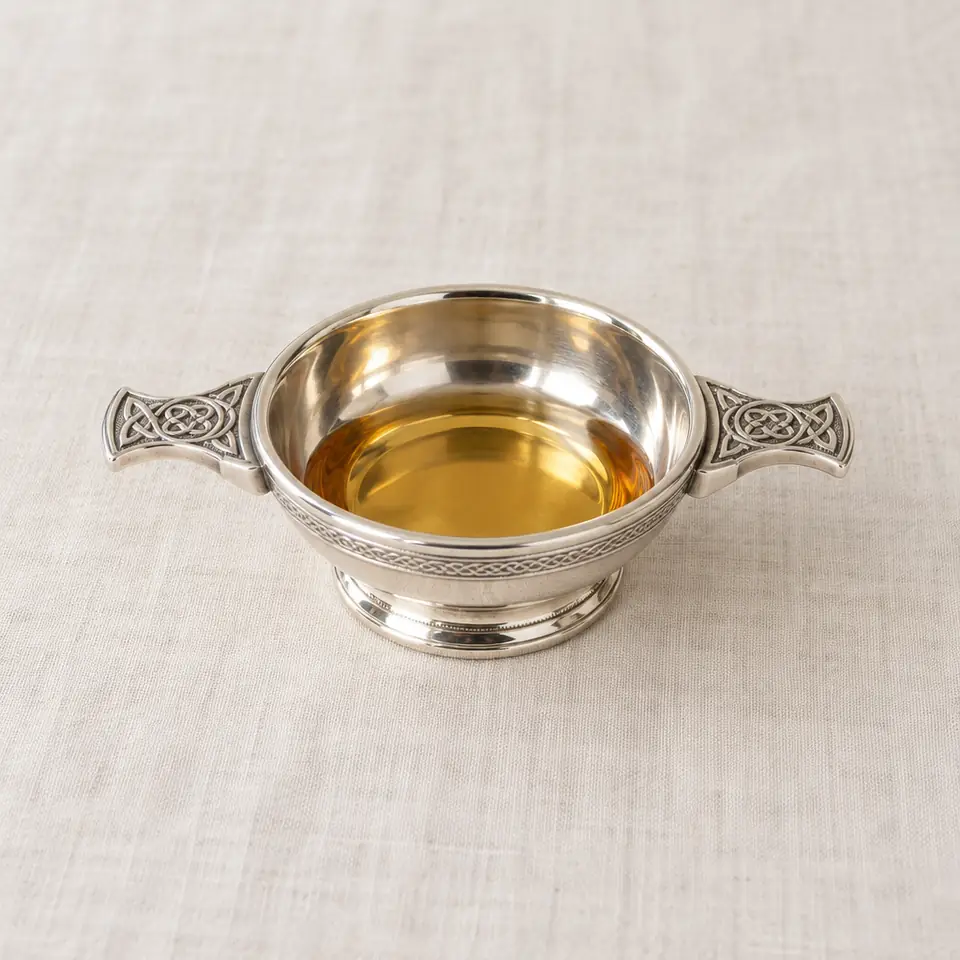
The quaich, a shallow two-handled Scottish drinking cup, is shared by the couple, each drinking from one side, usually with whisky.
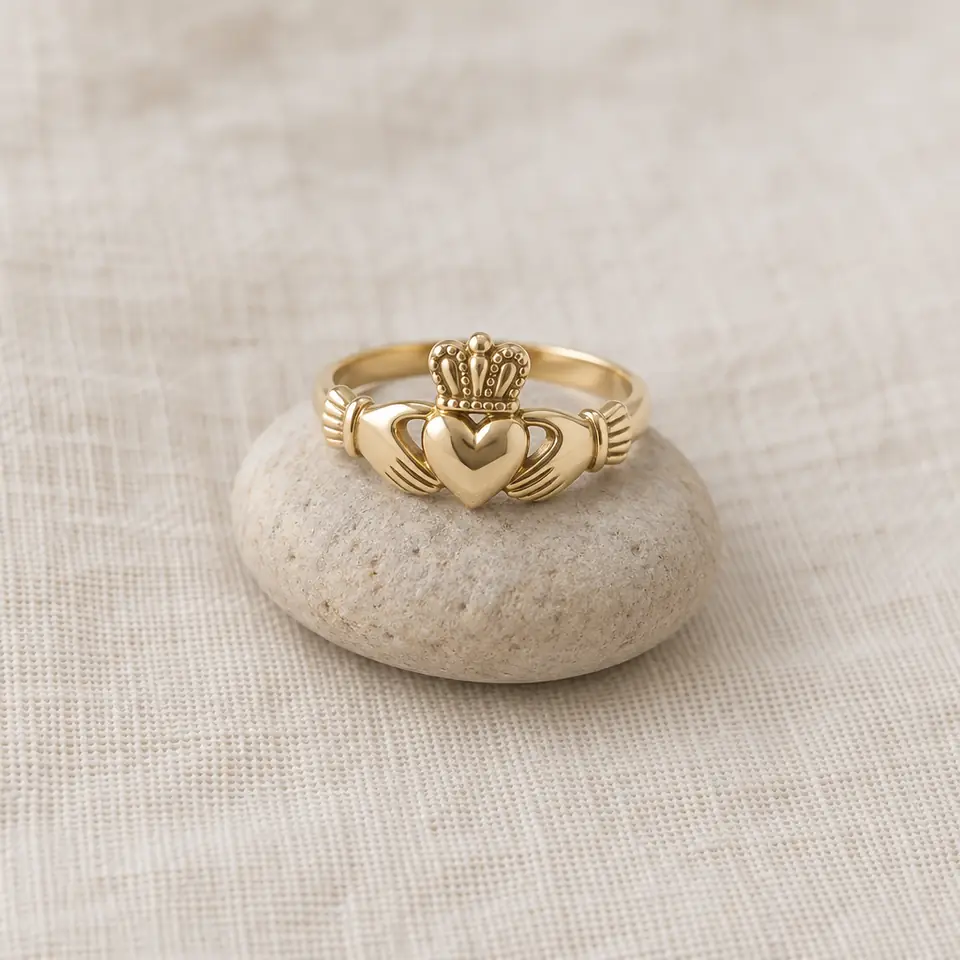
The Claddagh ring — two hands holding a crowned heart — comes from the fishing village of Claddagh near Galway, Ireland, and stands for love, loyalty and friendship.
Greek and Orthodox weddings
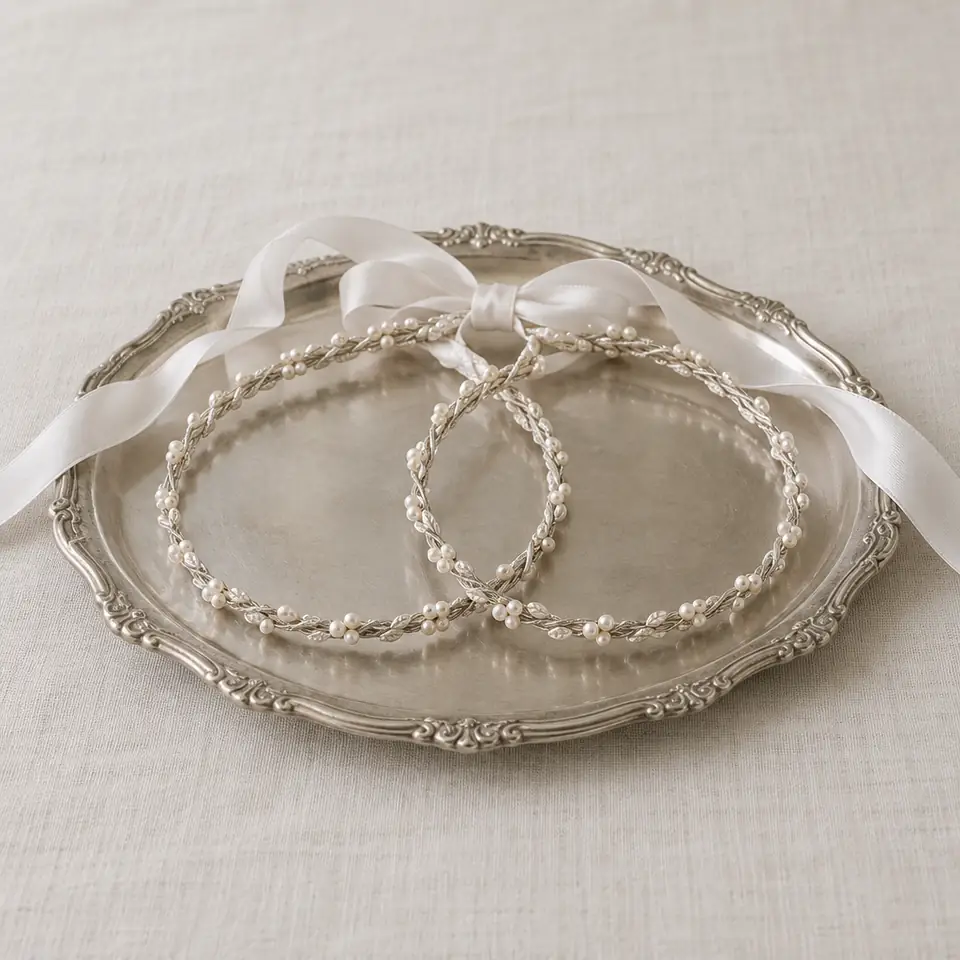
The stefana, two crowns joined by a ribbon, are placed on the couple’s heads and exchanged three times by the koumbaros, the sponsor. They crown the couple as king and queen of their new household.
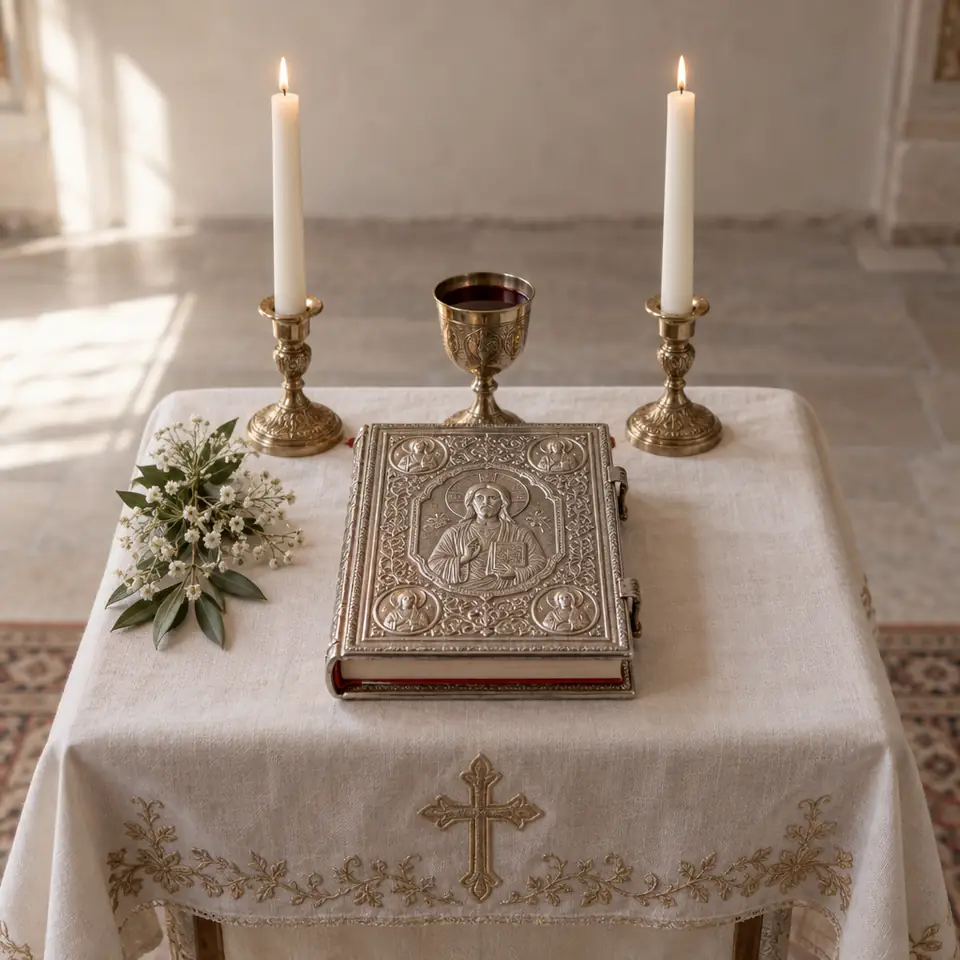
The dance of Isaiah follows: the priest leads the crowned couple three times around the table, their first steps as a married couple.
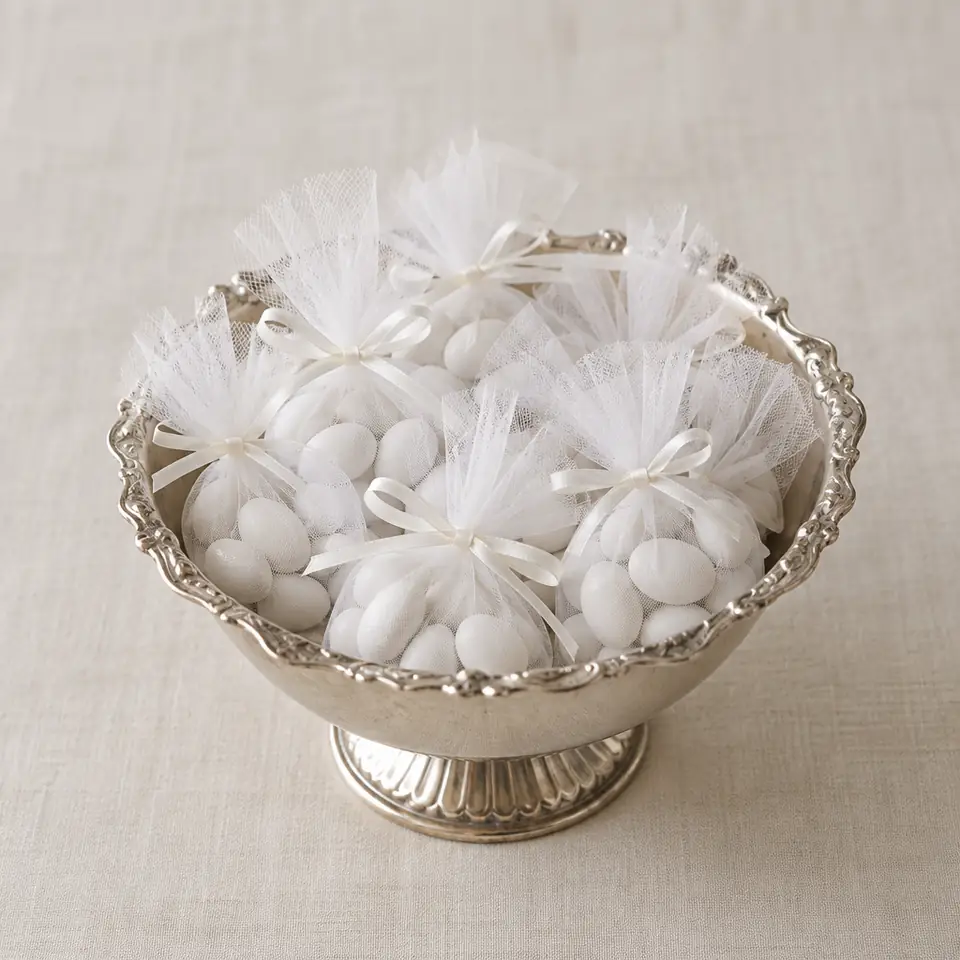
Koufeta, sugared almonds in odd numbers, are given to guests — bitter and sweet, for the whole of married life.
Bringing two traditions together
For couples from two backgrounds, some of the most moving ceremonies include one ritual from each side — a tea ceremony and a handfasting, a breaking of the glass and a lazo — each explained in a line or two in the program so every guest understands what they’re witnessing. Talk to the elders in both families before you decide; they will have strong feelings about what matters, and usually wonderful stories about how it was done. For the structure of the ceremony that holds it all together, see the order of the ceremony; for the English customs, see something old, something new.
Written and edited by the Today’s Weddings editors. How we research and check what we publish is set out in our editorial standards. Spotted something wrong? Tell us.