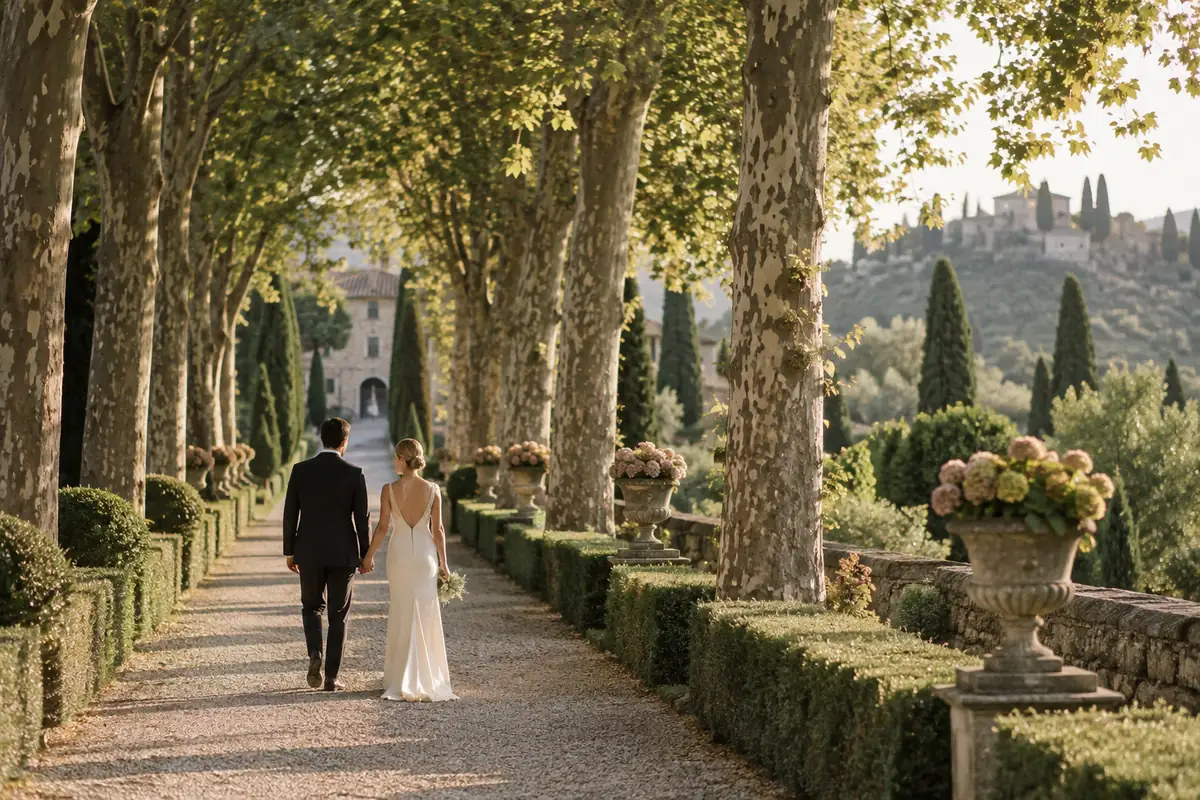
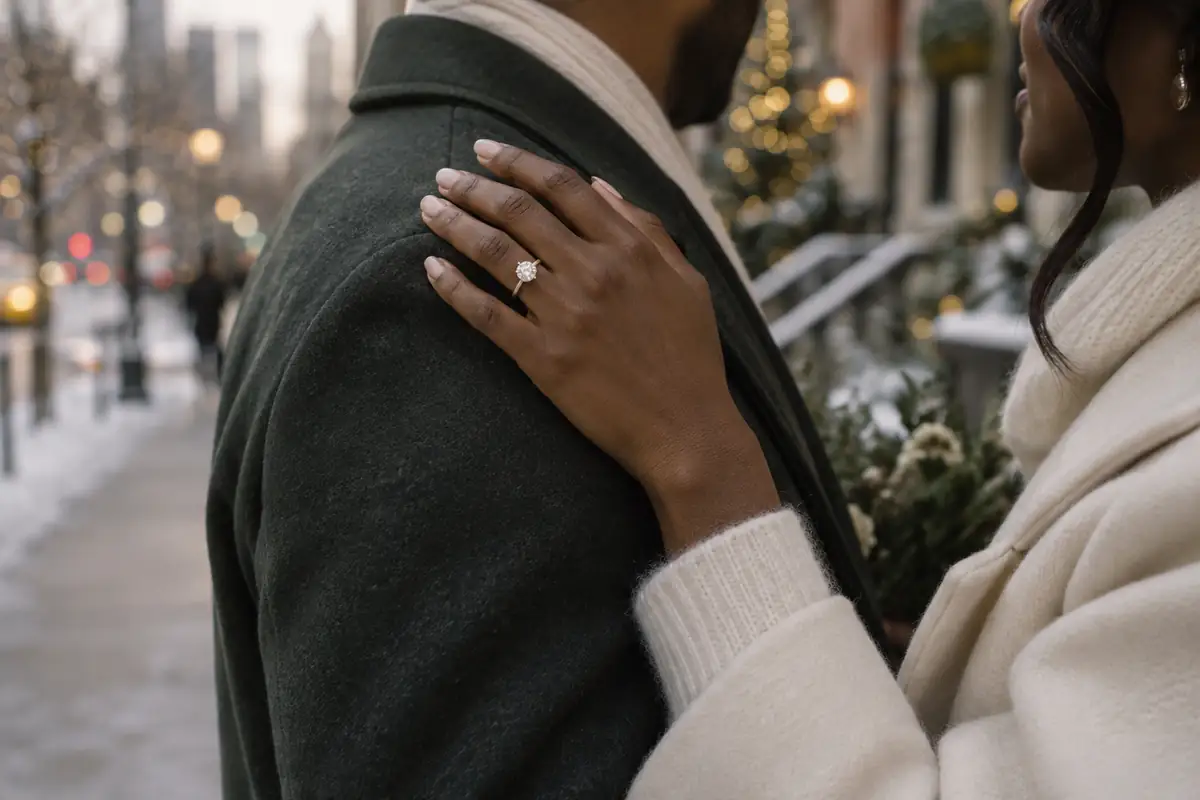
Micro-Weddings, Elopements and Courthouse Weddings
How to marry small and do it beautifully — the four formats, what each really costs, how to tell the people who weren’t there, and the legal basics that vary from state to state.
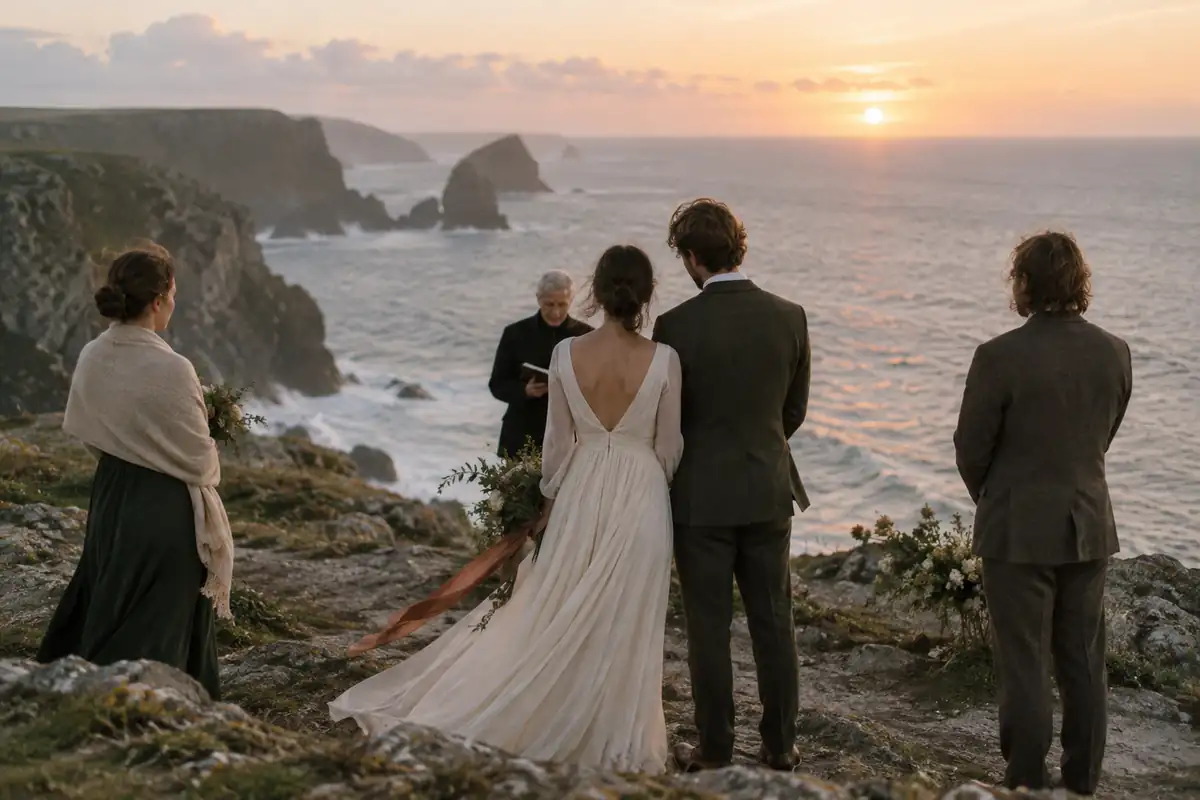
The smallest weddings are often the most carefully planned. When there are twelve people at the table instead of a hundred and twenty, every choice is visible: the wine, the room, the words of the ceremony, who sits next to whom. Couples who marry small are not skipping the wedding. They are spending the same attention, and usually far less money, on a day built around the people who matter most to them.
There are four ways to do it, and they are easily confused. Choosing the right one makes the planning, the budget and the conversation with your families much simpler.
The four formats
The micro-wedding. A full wedding in miniature — ceremony, dinner, toasts, perhaps dancing — for roughly fifty guests or fewer. It has most of the elements of a large wedding at a fraction of the scale, and it suits restaurants’ private rooms, family homes, small inns and gardens.
The elopement. Traditionally a secret; now simply a wedding for the two of you, often with an officiant, a photographer and one or two witnesses. Elopements tend to happen somewhere meaningful — a mountain, a city you love, the place you met — and many couples plan them as carefully as a honeymoon.
The courthouse wedding. A civil ceremony performed by a judge, clerk or magistrate at a city hall or county office. Short, legal and inexpensive, and often followed by lunch or dinner with whoever came along.
The small wedding and big party. The ceremony happens with immediate family, or with nobody at all, and a larger, looser celebration follows days, weeks or months later. It separates the legal and emotional moment from the logistics of feeding a crowd, and it is one of the most practical formats there is.
What each costs
The savings are real. The Knot’s 2025 Real Weddings Study, which surveyed couples married in 2024, found that weddings with 50 or fewer guests averaged $15,000, while weddings with more than 100 guests averaged $42,000. The Knot’s 2026 study put the average cost per guest at $292, which is the number to multiply by every name you remove from the list.
A courthouse wedding can cost little more than the license and the clerk’s fee. As examples, the official websites listed these fees in September 2026: a marriage license costs $30 in Adams County, Colorado; $40 in New York State outside New York City; and $90 in Philadelphia. San Diego County charges $107 for a civil ceremony performed by its own staff. Check your own county, because fees and ceremony availability vary widely.
An elopement’s cost is mostly travel, a photographer and an outfit. A micro-wedding’s is mostly food, drink and a room, and it is worth remembering that some costs do not shrink with the guest count: photography, the officiant, hair and makeup and your own clothes cost the same for twenty guests as for two hundred. For a full picture of the national figures, see what a wedding costs in 2026.
Some costs don’t shrink with the guest list. The photographer, the officiant and your own clothes cost the same for twenty guests as for two hundred.
How to do each one well
For a micro-wedding, spend where guests can feel it. With a small group you can afford the better wine, a longer dinner and a menu that would be impossible at scale. Seat everyone at one table if the room allows; it is the single most effective way to make a small wedding feel like an occasion. The wedding menu covers how service style changes the evening.
For an elopement, plan the logistics that a venue would normally handle. Check permit requirements for parks and public land, have a plan for bad weather, and book a photographer who knows the location. Most importantly, confirm the marriage license rules for the state where you will marry, not the state where you live.
For a courthouse wedding, book ahead. Many clerk’s offices take ceremony appointments online and fill up around popular dates. Ask how many guests the room holds, whether photographs are allowed, and what identification you need. Then plan the part that makes it feel like a wedding: flowers, a good lunch, a toast.
For the small wedding and big party, decide at the start whether the party is a second wedding or simply a celebration. A party can include a short renewal of vows, first dance and cake, or none of them. Either is right, but the invitation should make clear which it is, so guests know what to wear and what to expect.
How to tell people
The hardest part of a small wedding is often the conversation beforehand.
Tell parents and close family first, in person or by phone, and before the wedding if you possibly can. Explain the reasoning — cost, privacy, a family situation, simply what you want — without apologizing for it.
Do not let social media deliver the news. If you plan to post photographs, make sure everyone who would be hurt to find out that way has heard from you first.
Send an announcement. A printed card or a considered digital note a few days or weeks after the wedding lets everyone share the news properly. The announcement wording samples cover the forms, from formal to relaxed.
Gifts are not expected from people who receive an announcement rather than an invitation. Don’t include registry information on the announcement. If friends ask, a wedding website with a registry link lets them find it themselves; our guide to wedding websites and digital invitations explains what to put there.
The legal basics
Every format has the same legal core: a valid marriage license from the correct jurisdiction, a ceremony performed within the license’s validity period, the required signatures, and the license returned for recording. The details vary by state and sometimes by county. Some examples from official sources:
- New York State requires a 24-hour wait after the license is issued, and at least one witness. The license is valid for 60 days, and anyone officiating within New York City limits must be registered with the city.
- Colorado allows couples to solemnize their own marriage, with no officiant, and does not require witnesses. In Adams County, the completed certificate must be filled out within 35 days of issue and returned within 63 days after that.
- Pennsylvania offers a self-uniting license, which lets couples marry without an officiant; in Philadelphia it costs $100, and the couple and two witnesses sign it.
- California offers a public license, which requires at least one witness, and a confidential license, which requires none. Both are valid for 90 days.
These are examples, not a complete list, and rules change. Check with the county clerk where you will marry before you book anything. If a friend will officiate, read having a friend officiate your wedding for what they need to do to make it legal.
A small wedding, done properly
A small wedding asks for fewer decisions, not less thought. Choose the format that fits what you want the day to feel like, tell the people you love in the right order, and handle the paperwork early. For readings that suit a short ceremony, see the ceremony readings; for vows that sound like the two of you, how to write your own vows.
Written and edited by the Today’s Weddings editors. How we research and check what we publish is set out in our editorial standards. Spotted something wrong? Tell us.