The Day-After Shoot
Sometimes called “trash the dress” — though it needn’t trash anything. Why couples book a second session in their wedding clothes, and how to plan one.
The wedding day is the least relaxed day of your life on which to be photographed. There are two hundred people who want your attention, a timeline running ten minutes late, a best man looking for the rings and a reception waiting for you to arrive. The portraits happen in stolen minutes, often in the wrong light.
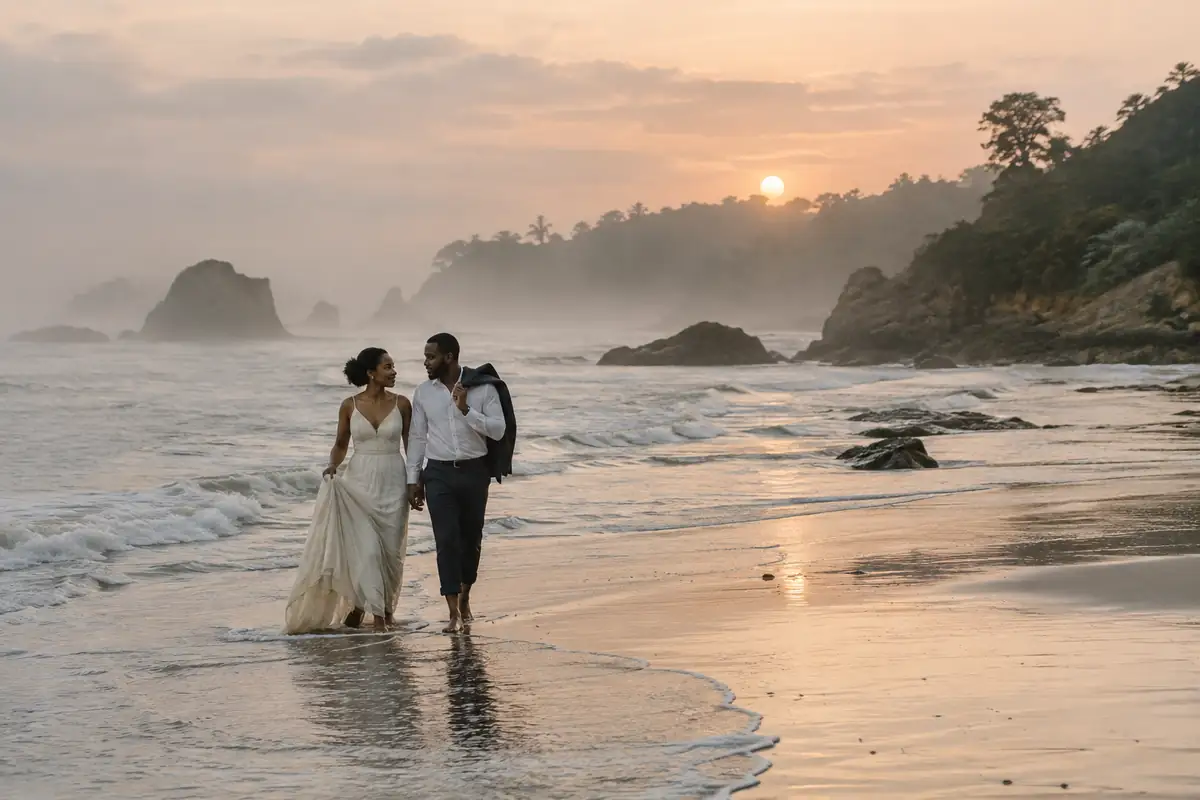
The day-after shoot — also known, more dramatically, as the “trash the dress” session — exists to fix that. A day or a week or a month later, you put the wedding clothes back on and go somewhere beautiful with your photographer and nobody else. No guests, no timeline, no nerves. Just the two of you, now married, with as long as the light lasts.
The name, and the dress
The phrase “trash the dress” comes from a trend for deliberately wading into the sea, rolling in fields and sometimes worse, on the grounds that a dress worn once might as well have a second, wilder life. Some couples still love that, and the photographs can be spectacular.
But it isn’t compulsory. Most couples now call it the day-after or post-wedding session and simply take the portraits they didn’t have time for. If you think you might want to keep the dress, pass it to a daughter, sell it, or have it made into something else, treat the session gently: silk and lace do not reliably recover from salt water, mud or grass stains, and a torn hem is expensive to repair.
When to do it
The morning after, if you’re staying somewhere beautiful and can face an early start — dawn light is extraordinary and you are still in the glow of the day.
A week or two later, once the thank-you notes have started and you’ve slept.
On honeymoon, if your photographer can travel or you can book a local one. A dress on a Mediterranean cliff or a Caribbean beach needs no further justification. See planning the honeymoon.
On your first anniversary — a lovely excuse, provided the clothes still fit.
No guests, no timeline, no nerves — just the two of you, now married, with as long as the light lasts.
Where
Choose somewhere that means something to you, or somewhere you couldn’t have held the wedding: the beach where you got engaged, a city street at dawn before the traffic, a field of wildflowers, a mountain overlook, your own kitchen. Check whether the location needs a permit for professional photography, and whether it is safe to reach in a long dress. Cliffs, rocks and fast water look wonderful and have caused real accidents.
Planning it
- Book it with the wedding. Many photographers offer a day-after session as an add-on at a better rate than booking it separately.
- Agree the time around the best light: the hour after sunrise or before sunset.
- Bring the details: the veil, the jewelry, the bouquet if it has survived, the groom’s jacket and tie.
- Bring practical things: a towel, a change of clothes, flat shoes for walking there, water, and a blanket for the car.
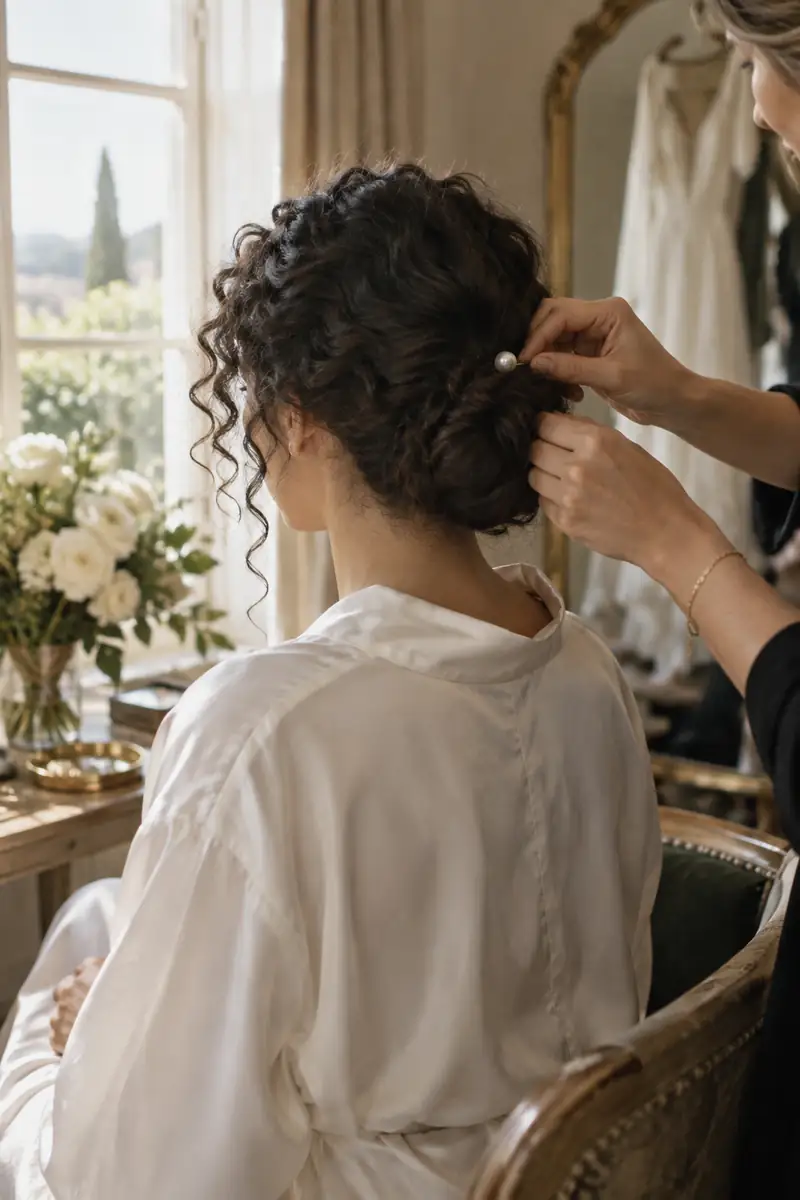
- Have hair and makeup done, or at least touched up. You will be photographed as closely as on the day.
Afterwards
If you plan to keep the dress, take it to a specialist cleaner soon after the session and before it goes into storage. Stains that set are much harder to remove, and even invisible marks from sugar, sweat or champagne can yellow over time. Ask for acid-free tissue and a breathable box rather than plastic.
For the clothes themselves, see The Wedding Dress, Decoded and the groom’s suit; for choosing the photographer, see hiring a photographer.
Written and edited by the Today’s Weddings editors. How we research and check what we publish is set out in our editorial standards. Spotted something wrong? Tell us.