Wedding Flowers by Season
What is abundant when, what it costs to fight the calendar, and how to get the look you want from whatever is actually growing.
Seasonality is the whole budget conversation
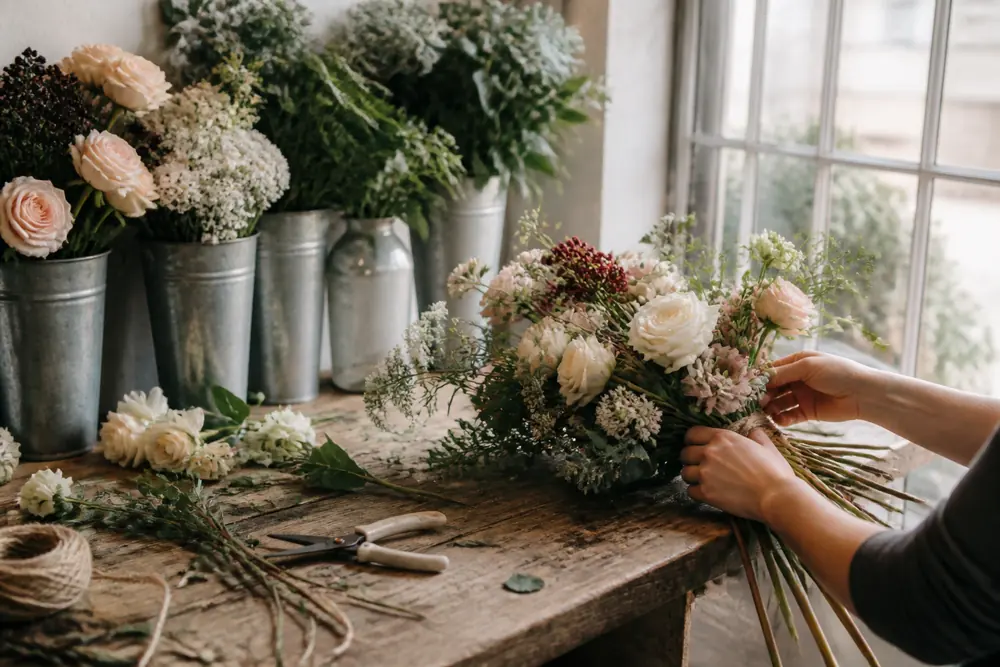
A flower in its season is plentiful, cheap and at its best. The same flower out of season is flown in, held in cold storage, priced accordingly, and often looks tired by the time it reaches a vase. The difference between those two states can be three or four times the cost for a visibly worse arrangement.
This does not mean you cannot have what you want. It means the honest question is not "can I have peonies in October" — you can, at a price — but "what do I actually love about peonies, and what is in season in October that does it?" Nearly always there is an answer: garden roses, ranunculus and double tulips all scratch the same itch at different times of year.
What is at its best when
| Season | Abundant and good value | Notes |
|---|---|---|
| Spring | 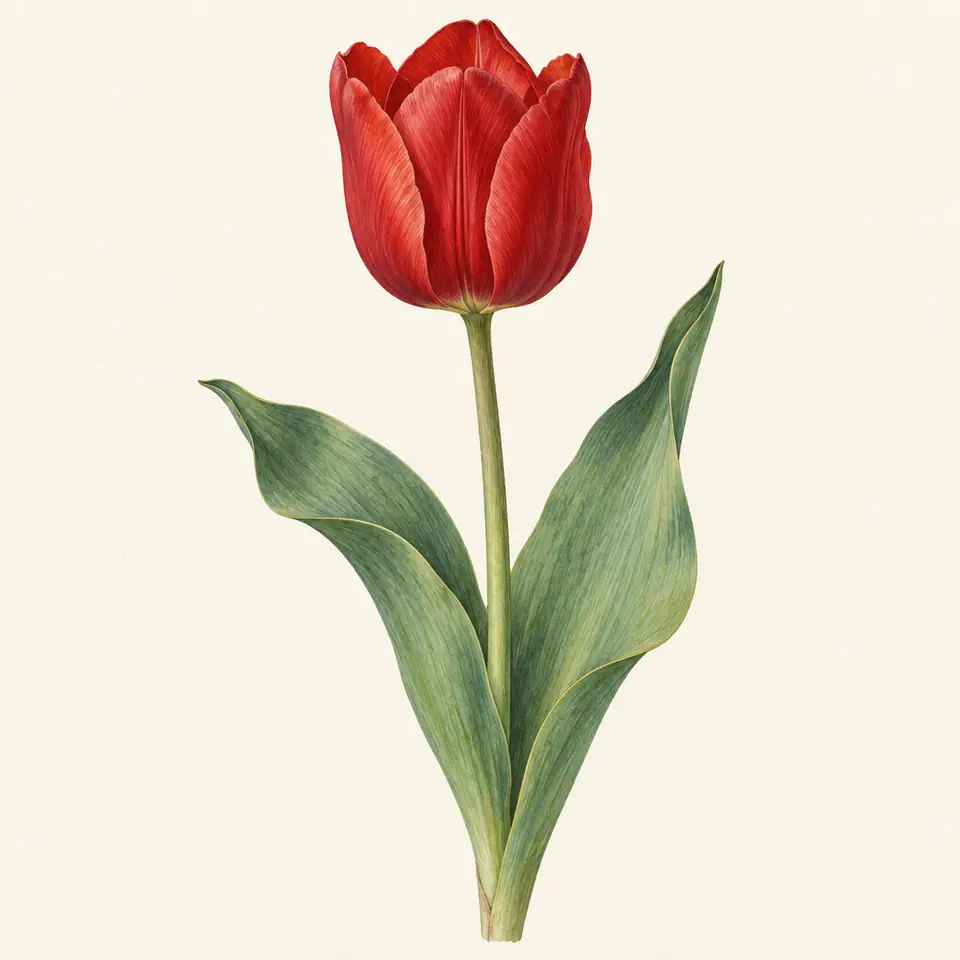 Tulip Tulip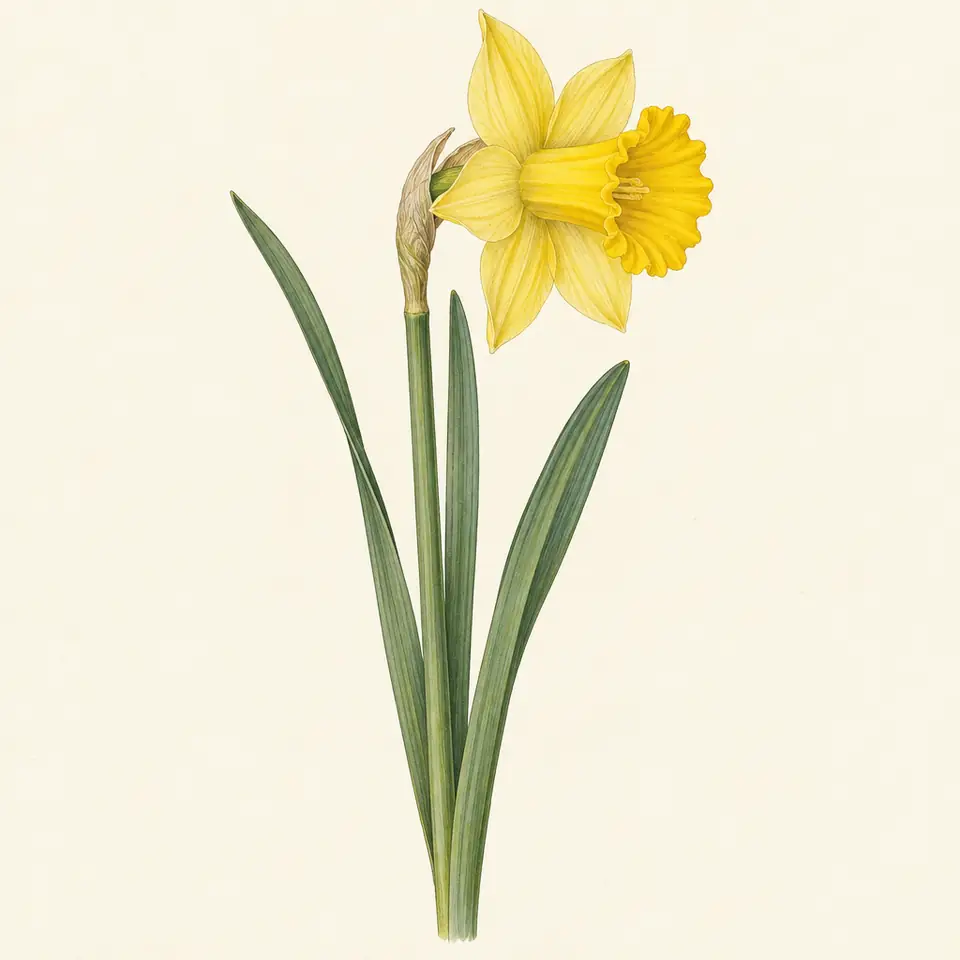 daffodil daffodil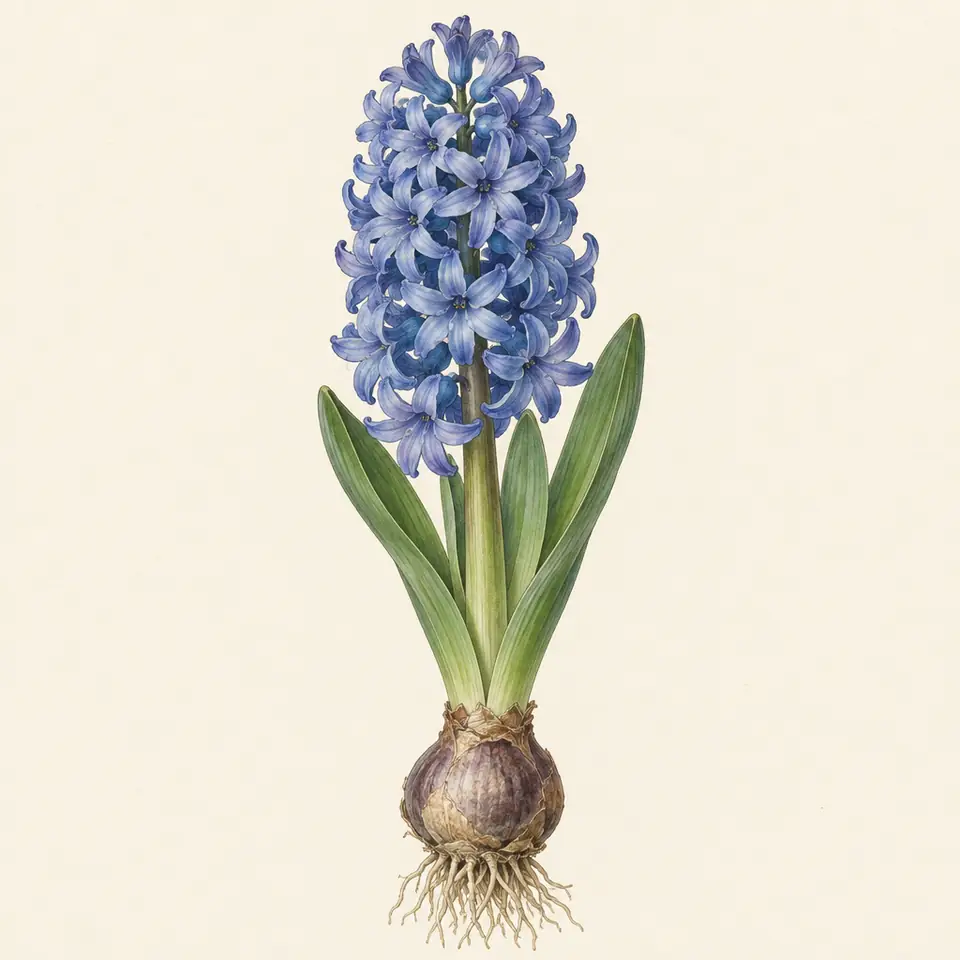 hyacinth hyacinth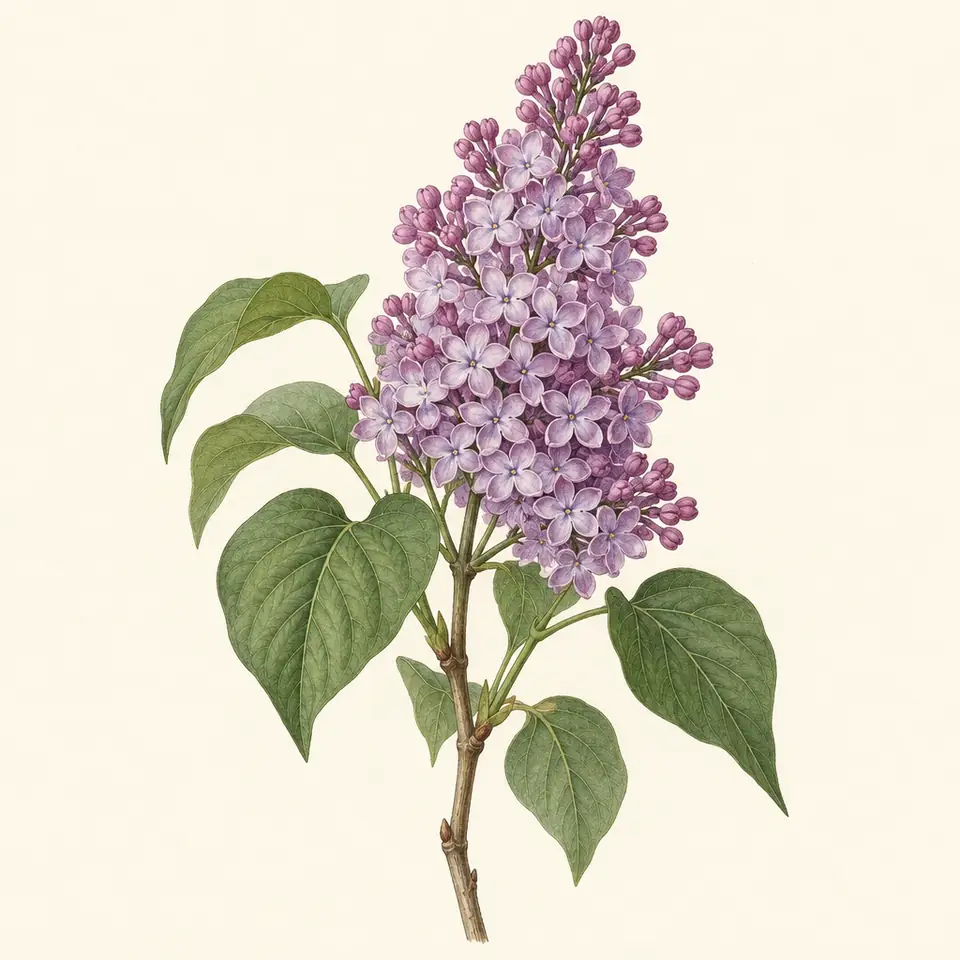 lilac lilac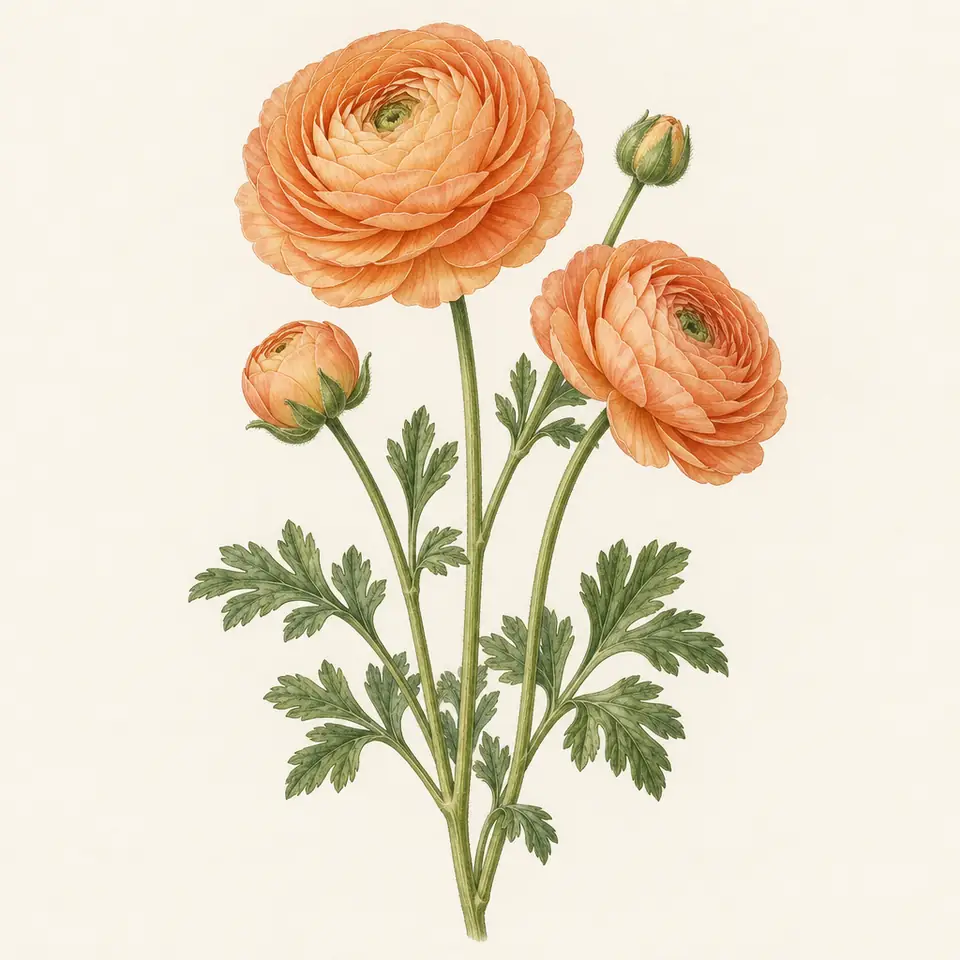 ranunculus ranunculus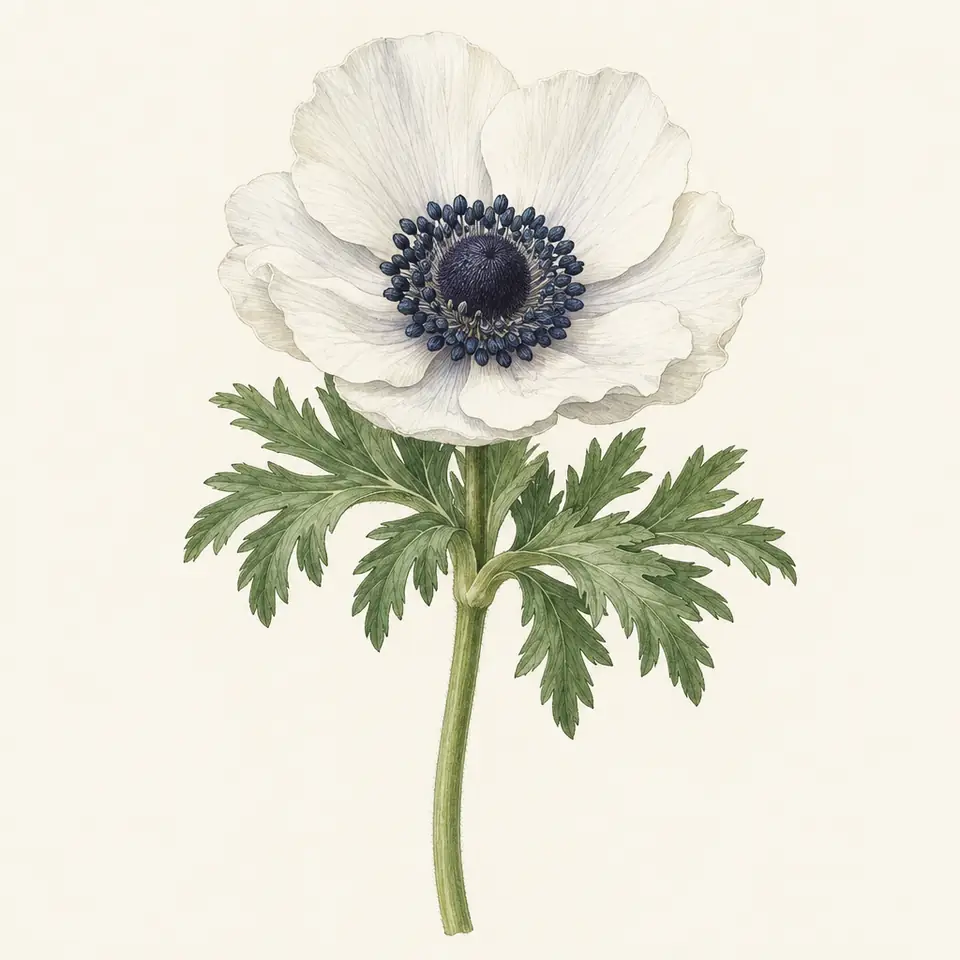 anemone anemone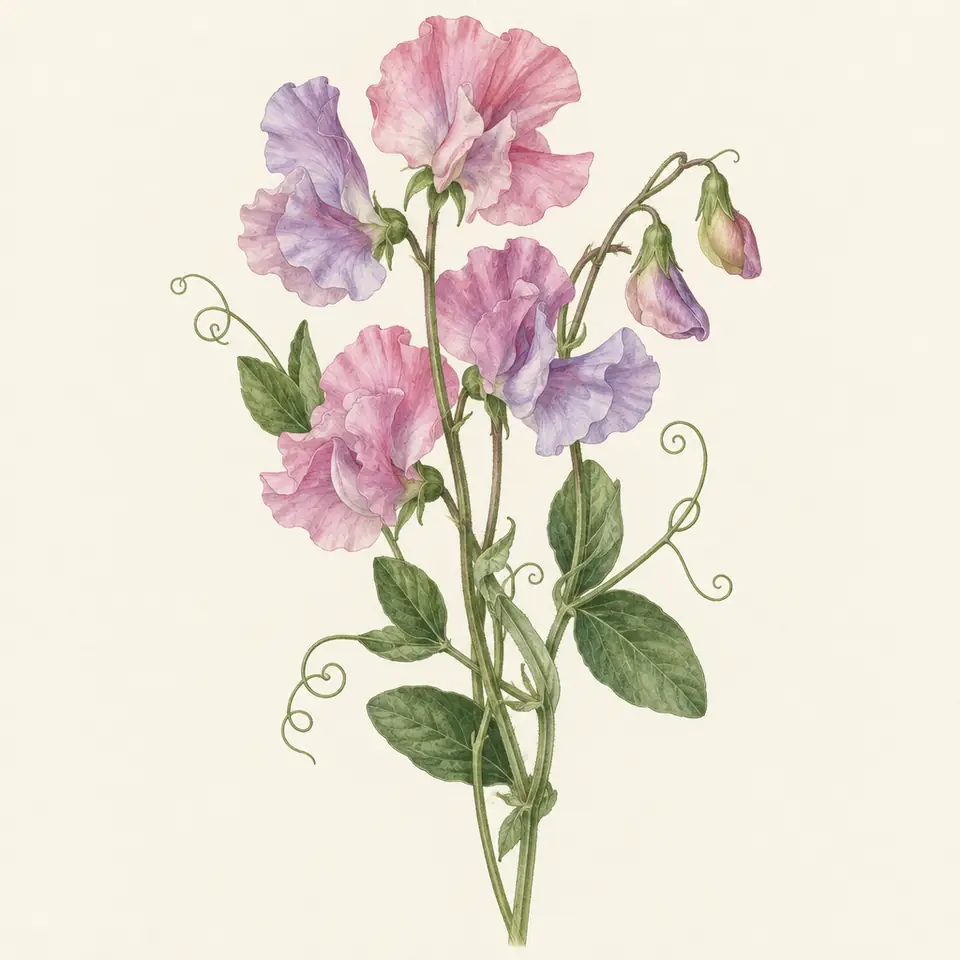 sweet pea sweet pea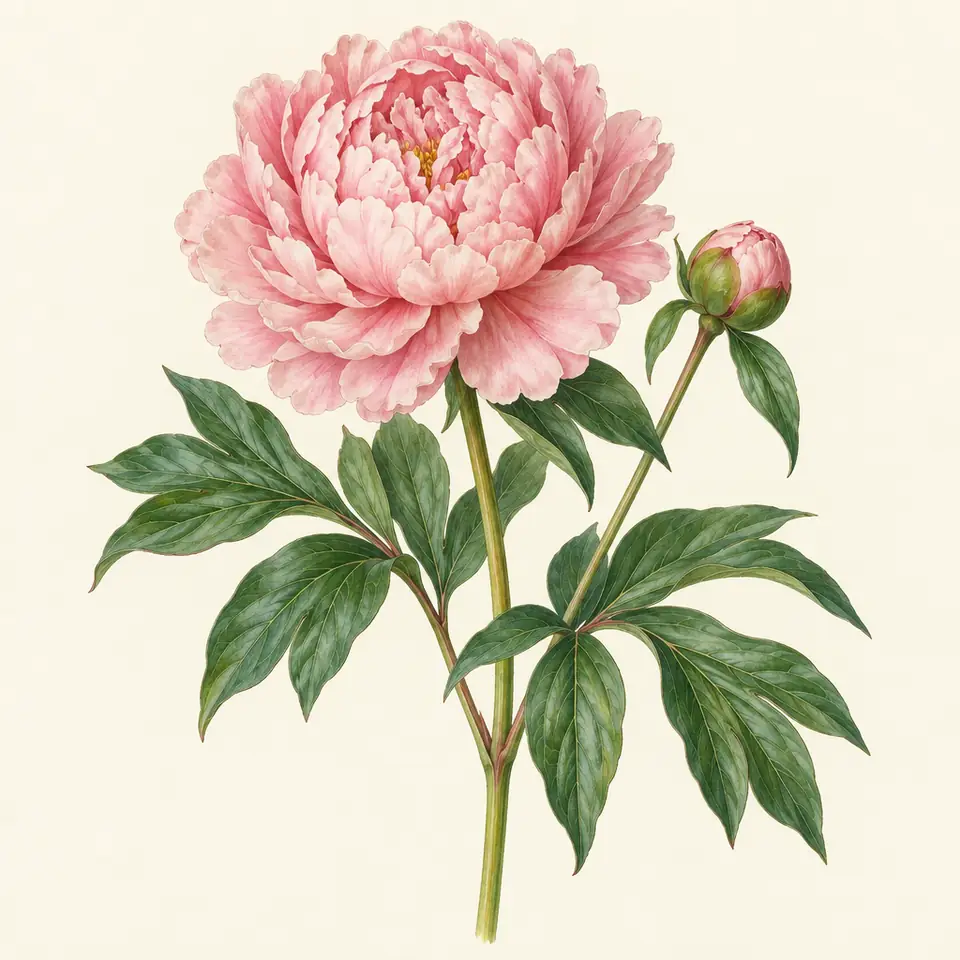 peony (late) peony (late) | The most fragrant season. Much of it is short-lived once cut — spring flowers want to be arranged late. |
| Summer | 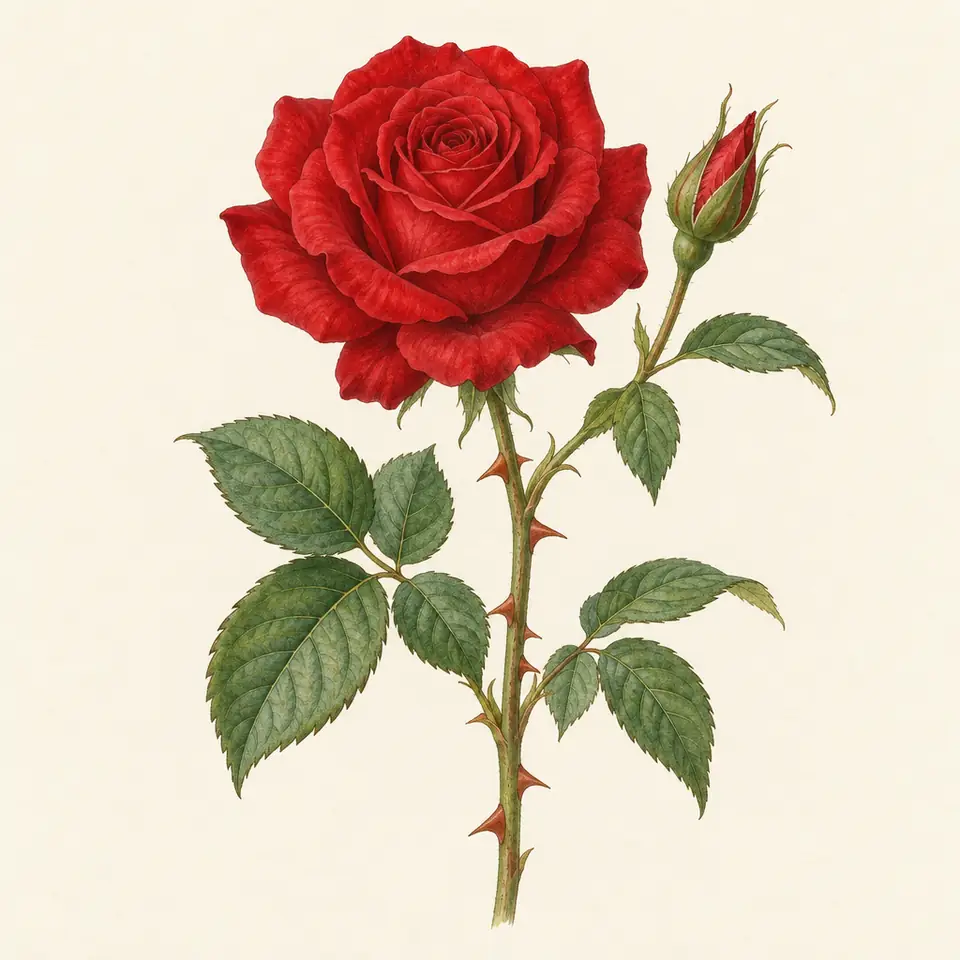 Garden rosepeony (early) Garden rosepeony (early)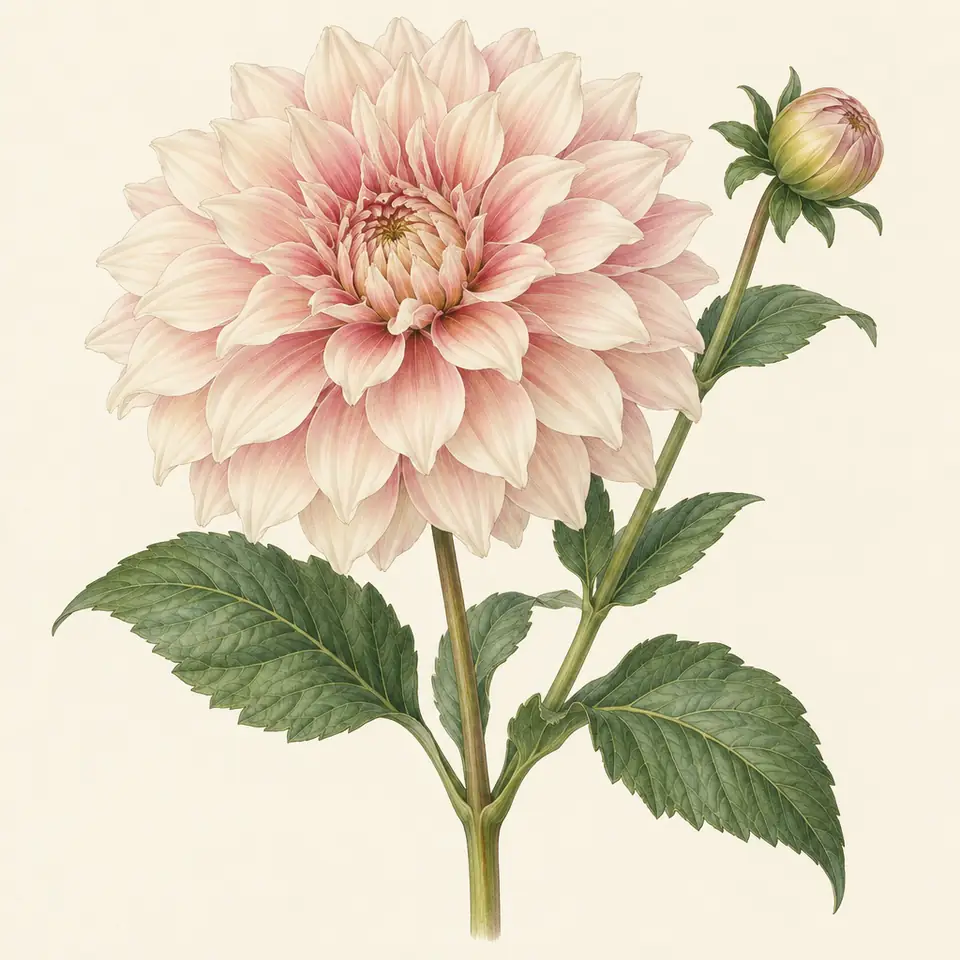 dahlia dahlia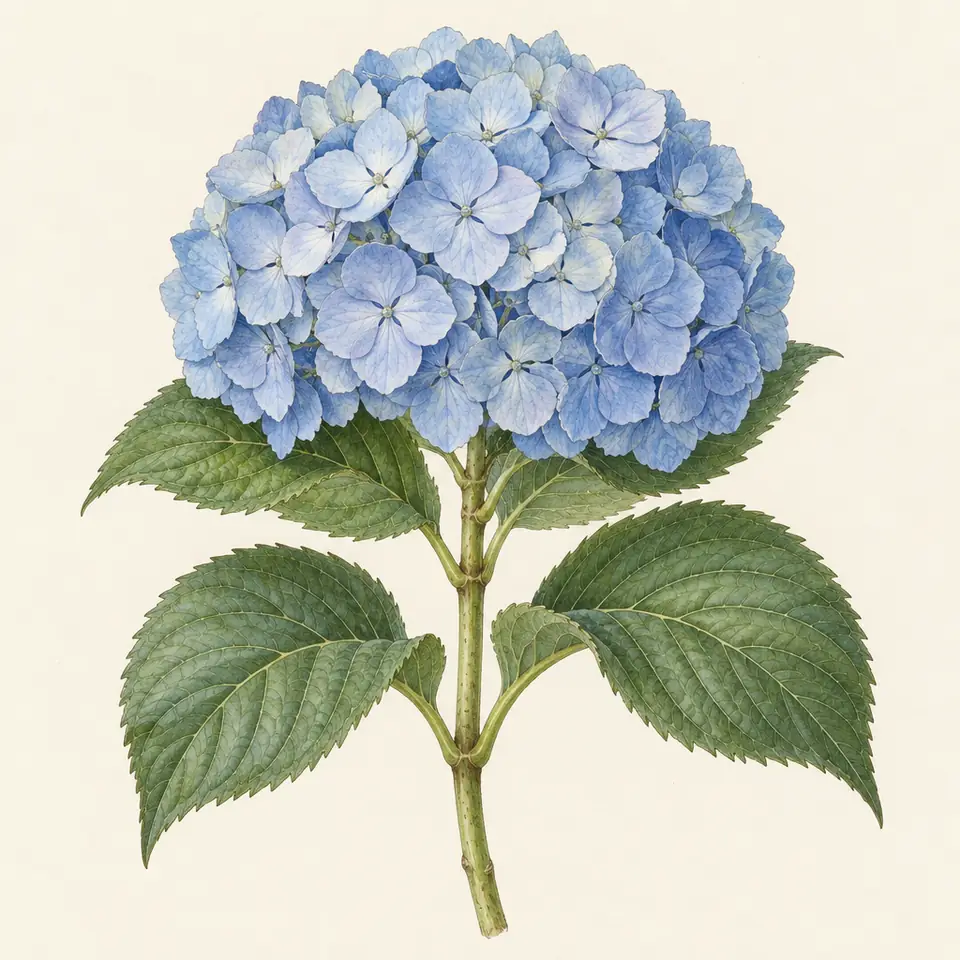 hydrangea hydrangea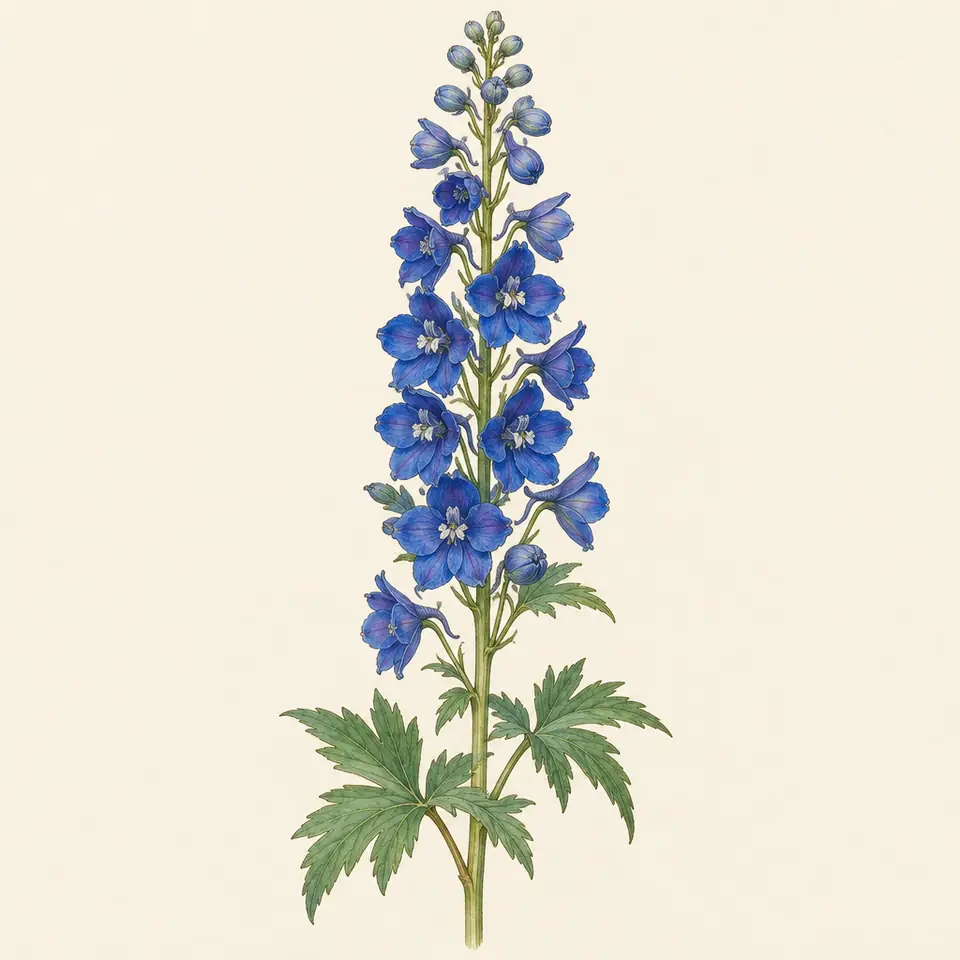 delphinium delphinium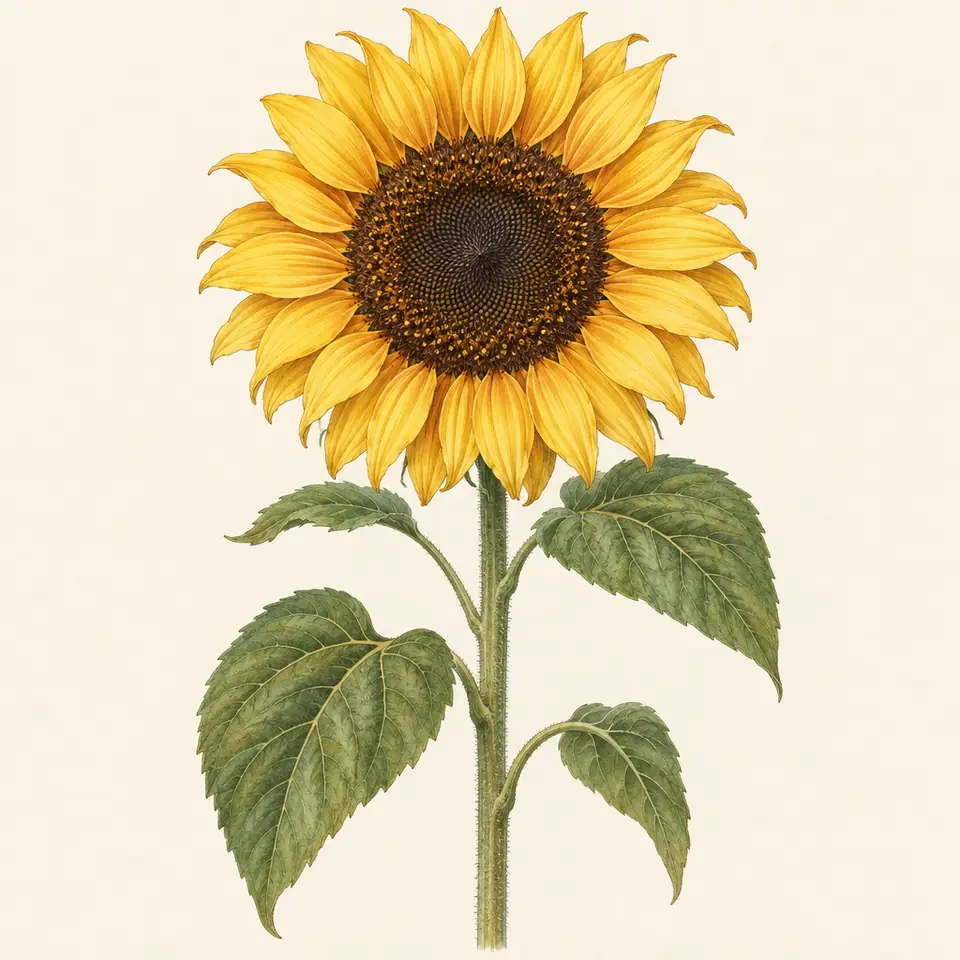 sunflower sunflower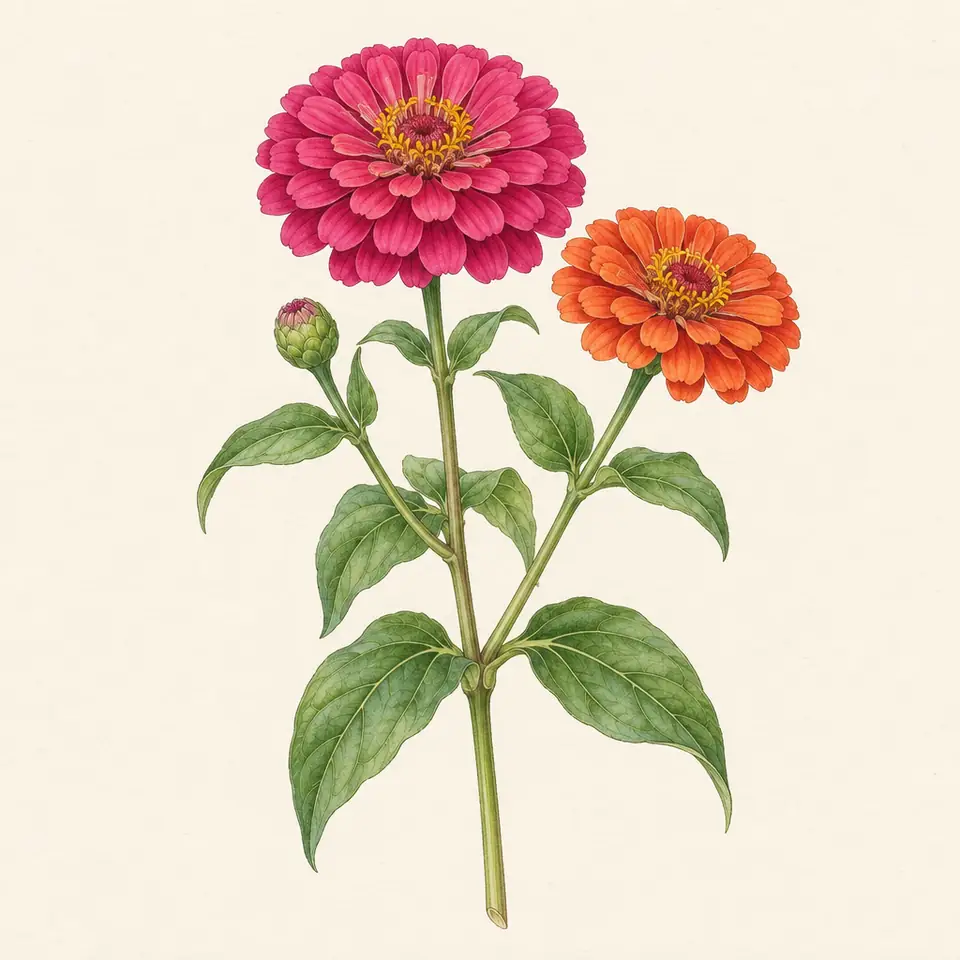 zinnia zinnia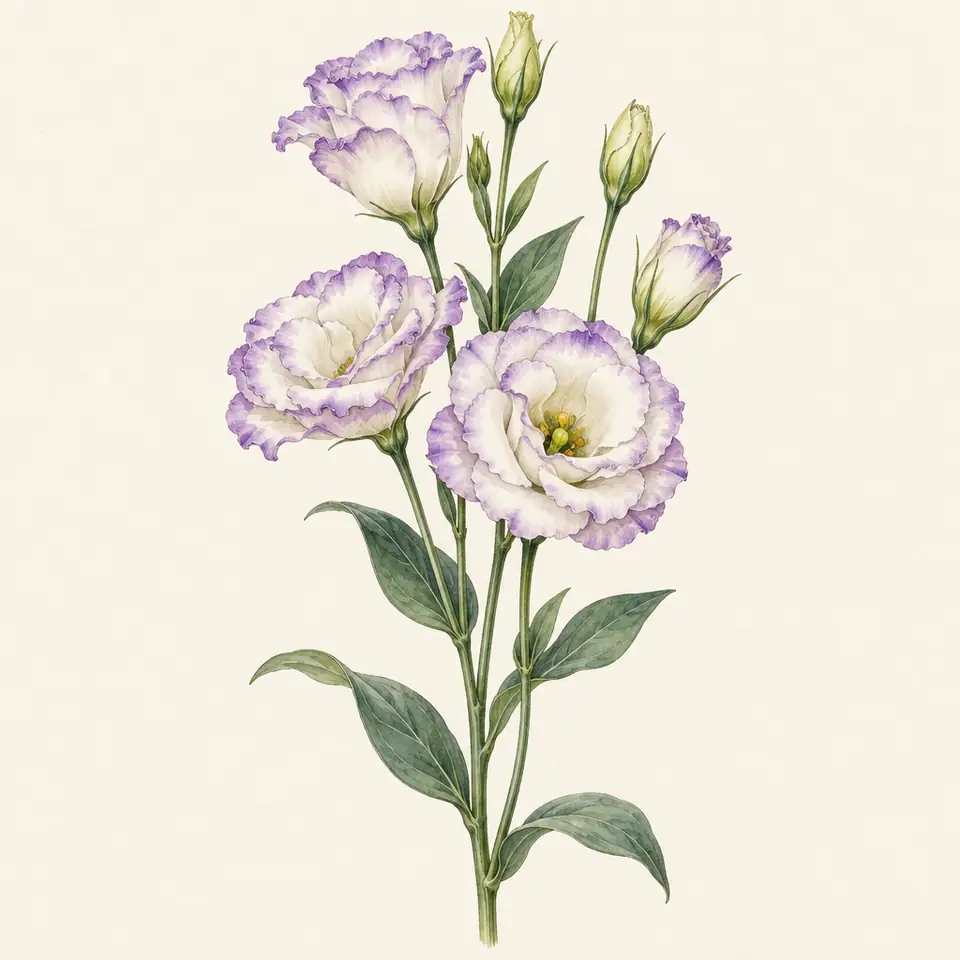 lisianthus lisianthus | The widest choice of the year, and the hardest conditions. Heat is the enemy — see below. |
| Autumn | Dahlia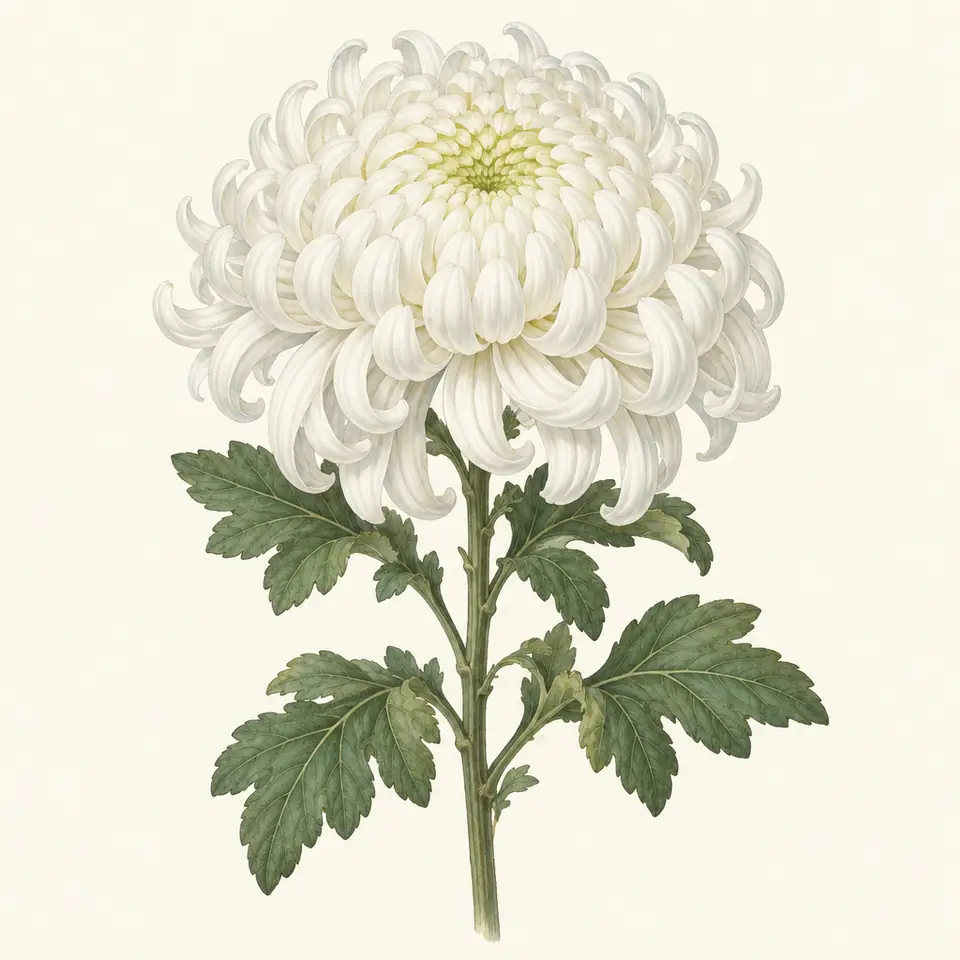 chrysanthemum chrysanthemum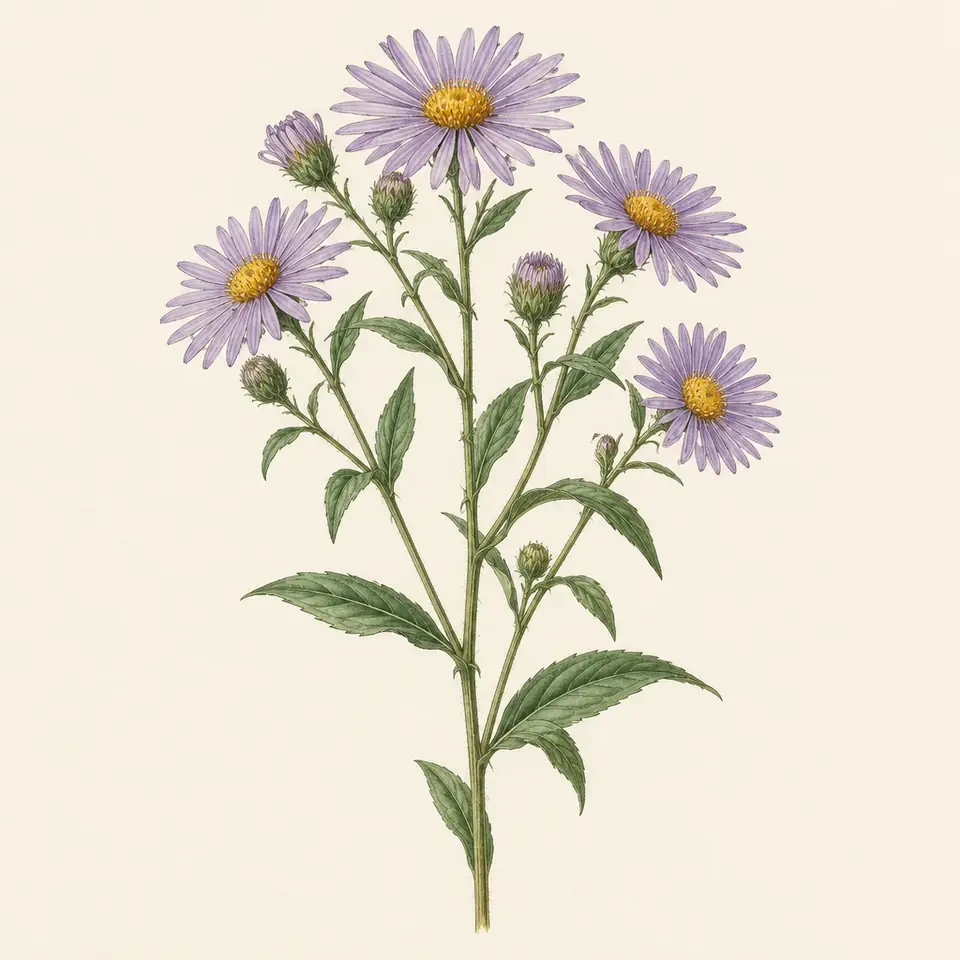 aster aster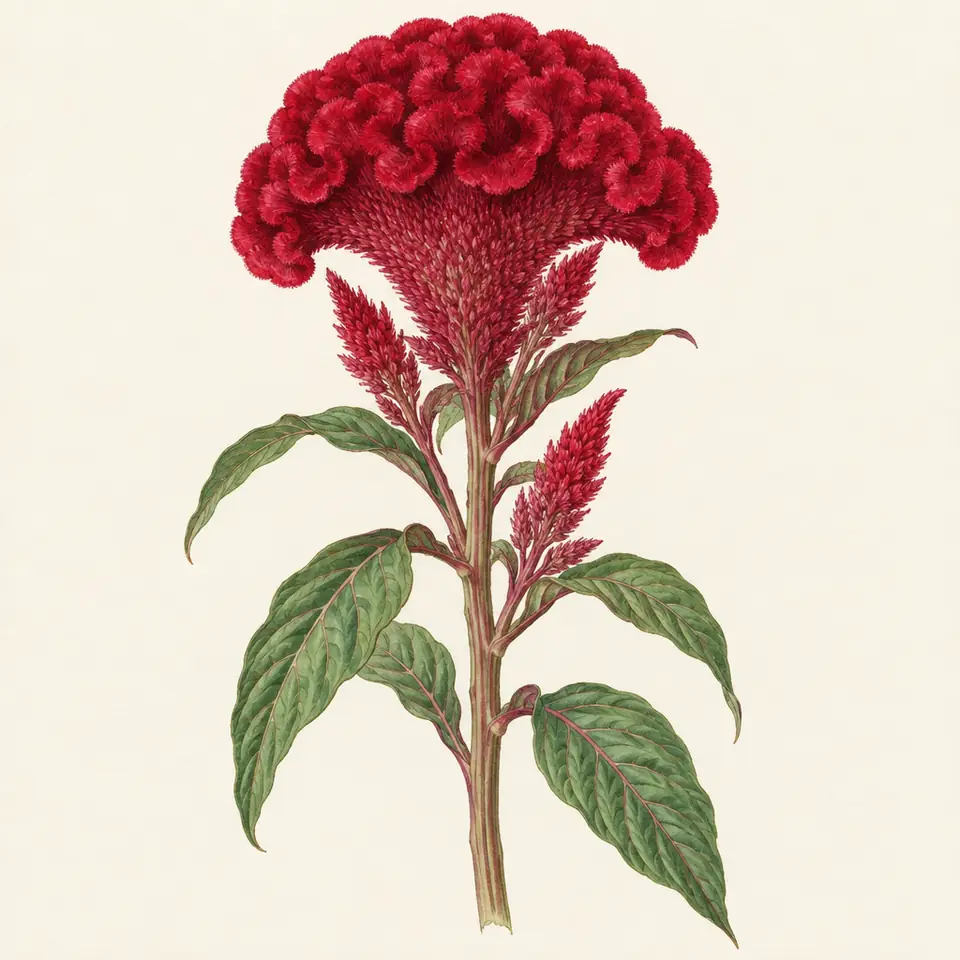 celosia celosia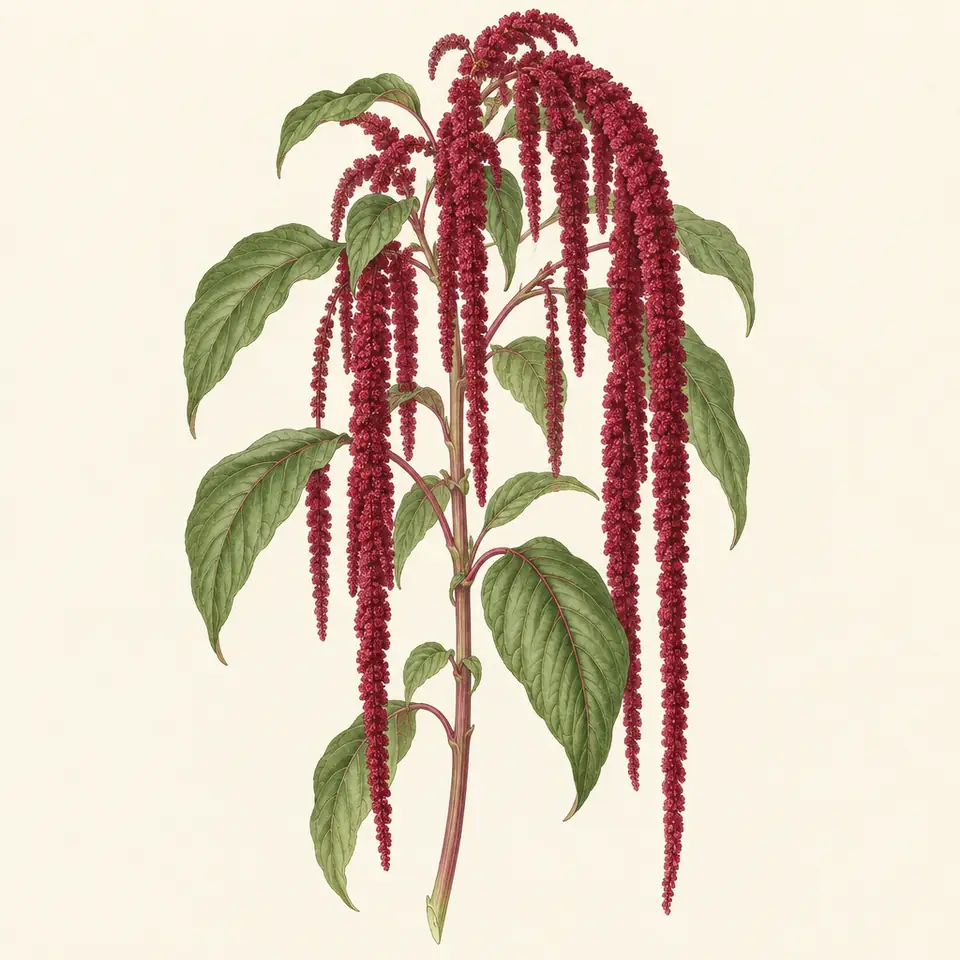 amaranthus amaranthus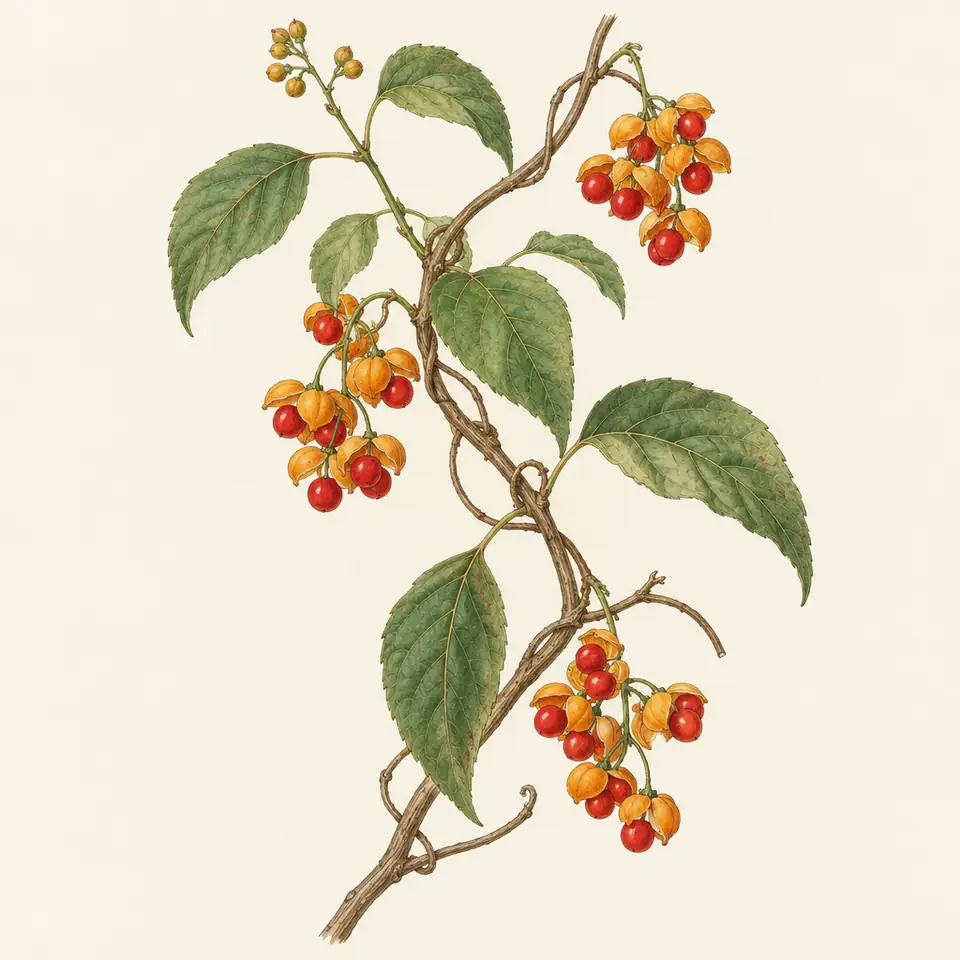 berriesseed headsfoliage berriesseed headsfoliage | Texture rather than bloom. Autumn is when foliage and pods do the heavy lifting and do it cheaply. |
| Winter | 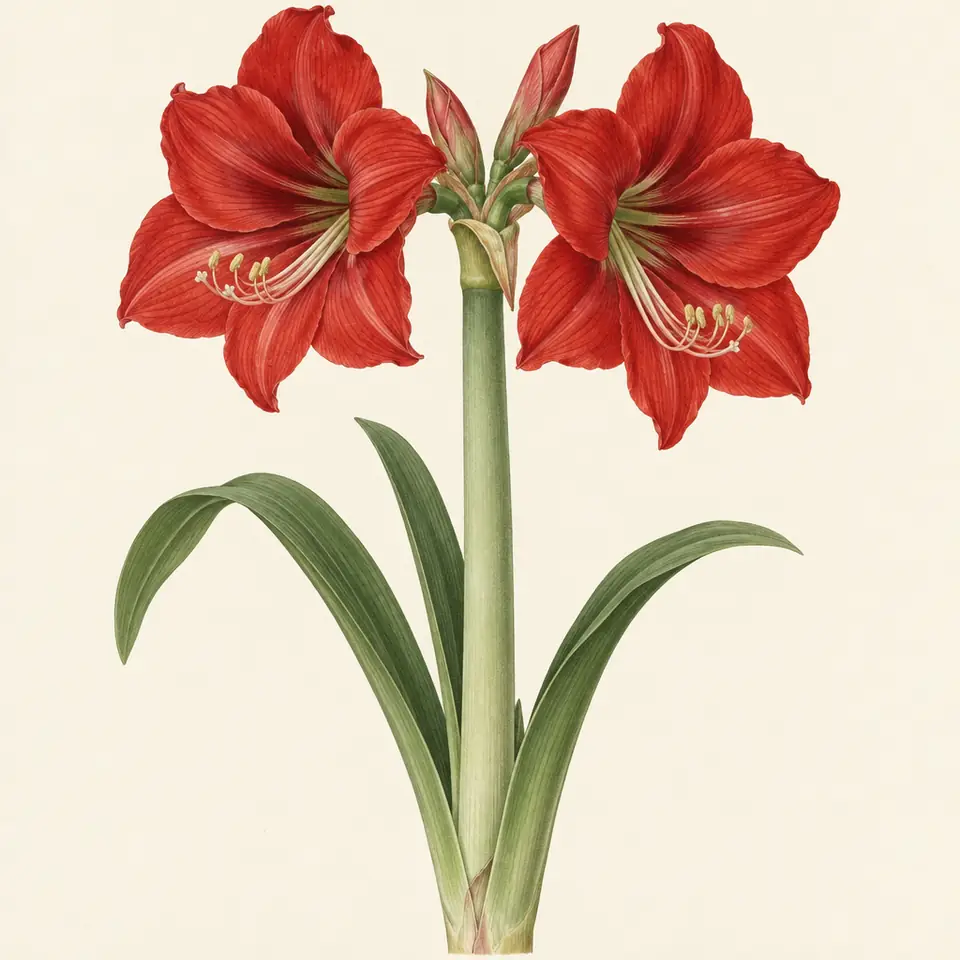 Amaryllisanemoneranunculus Amaryllisanemoneranunculus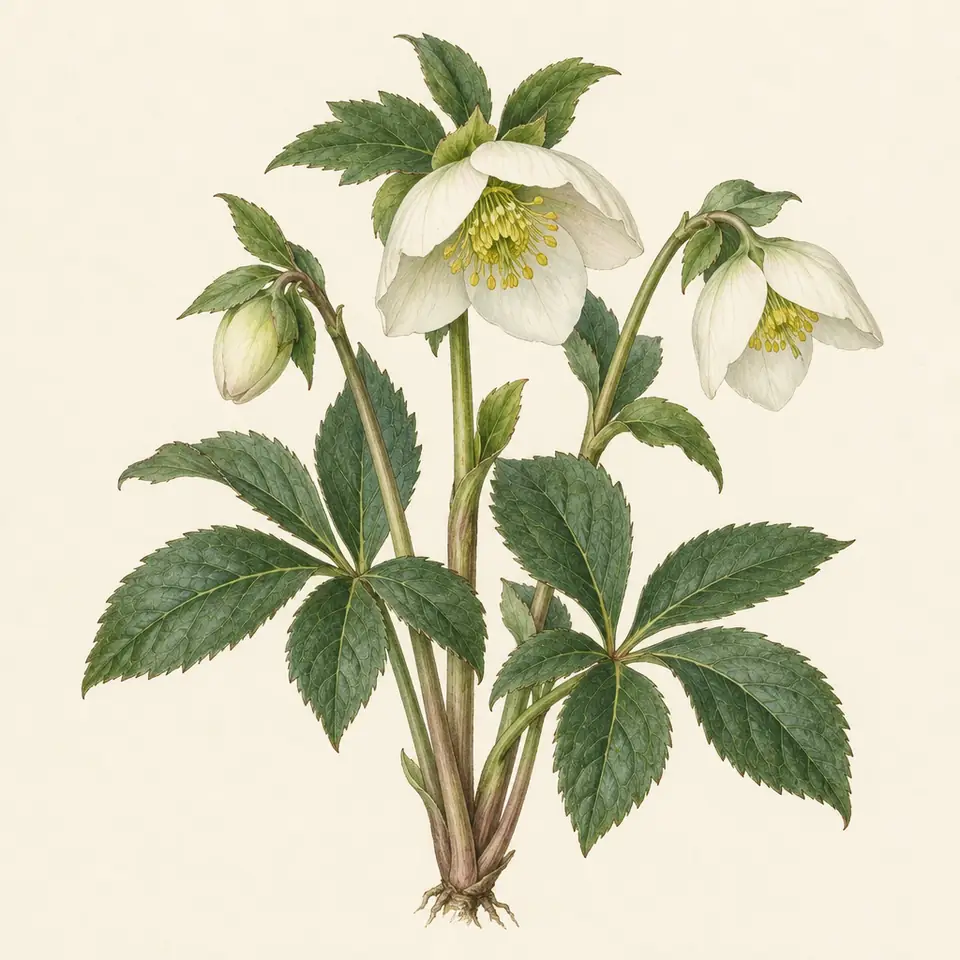 hellebore hellebore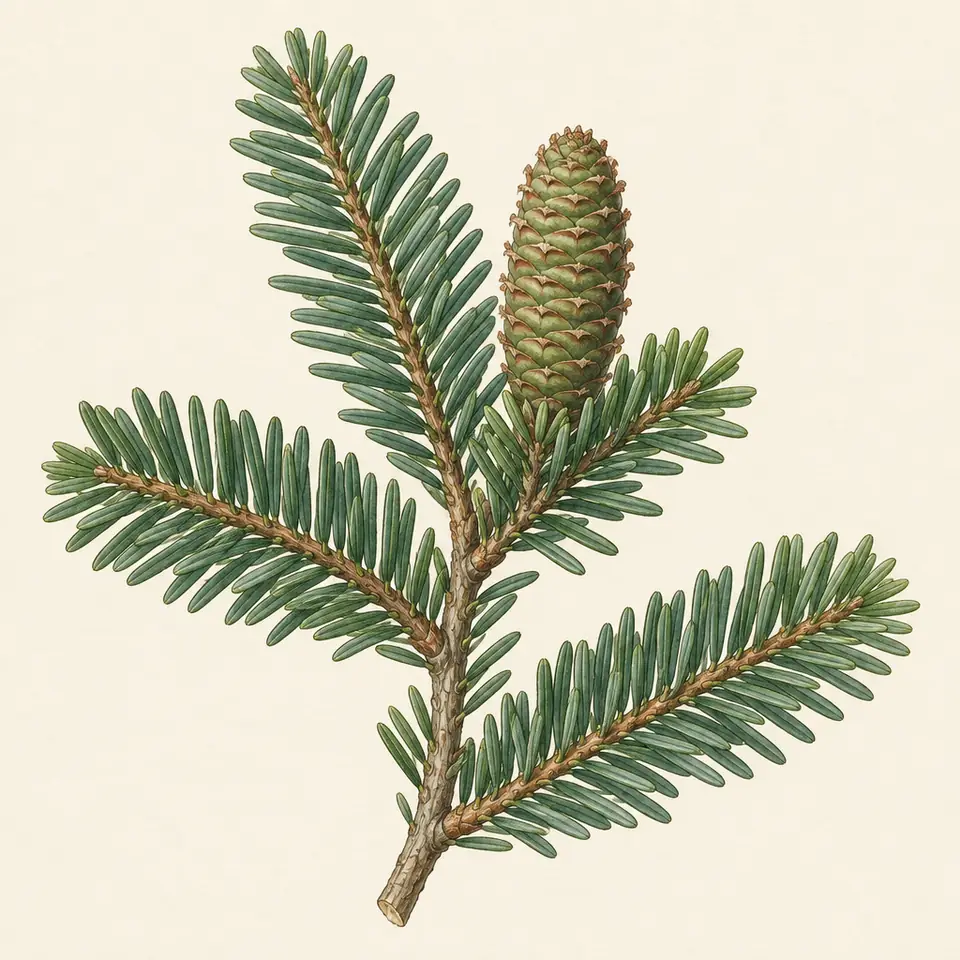 evergreen evergreen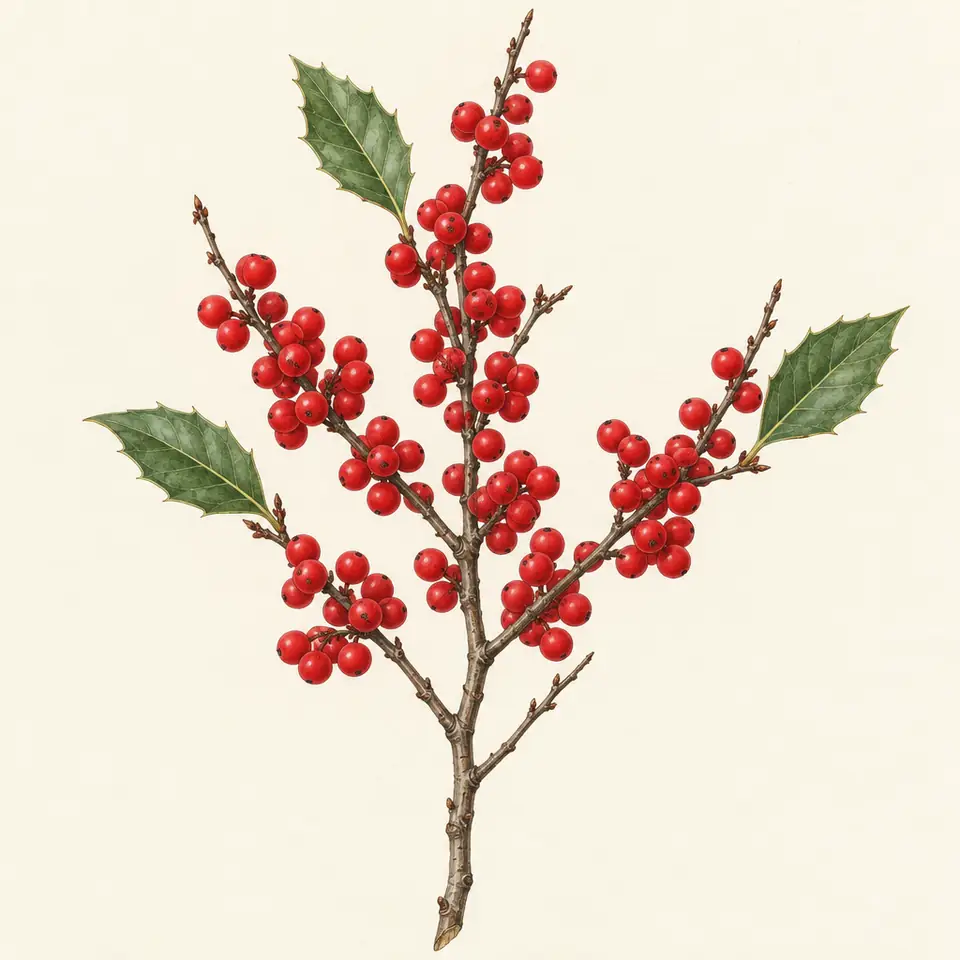 ilex ilex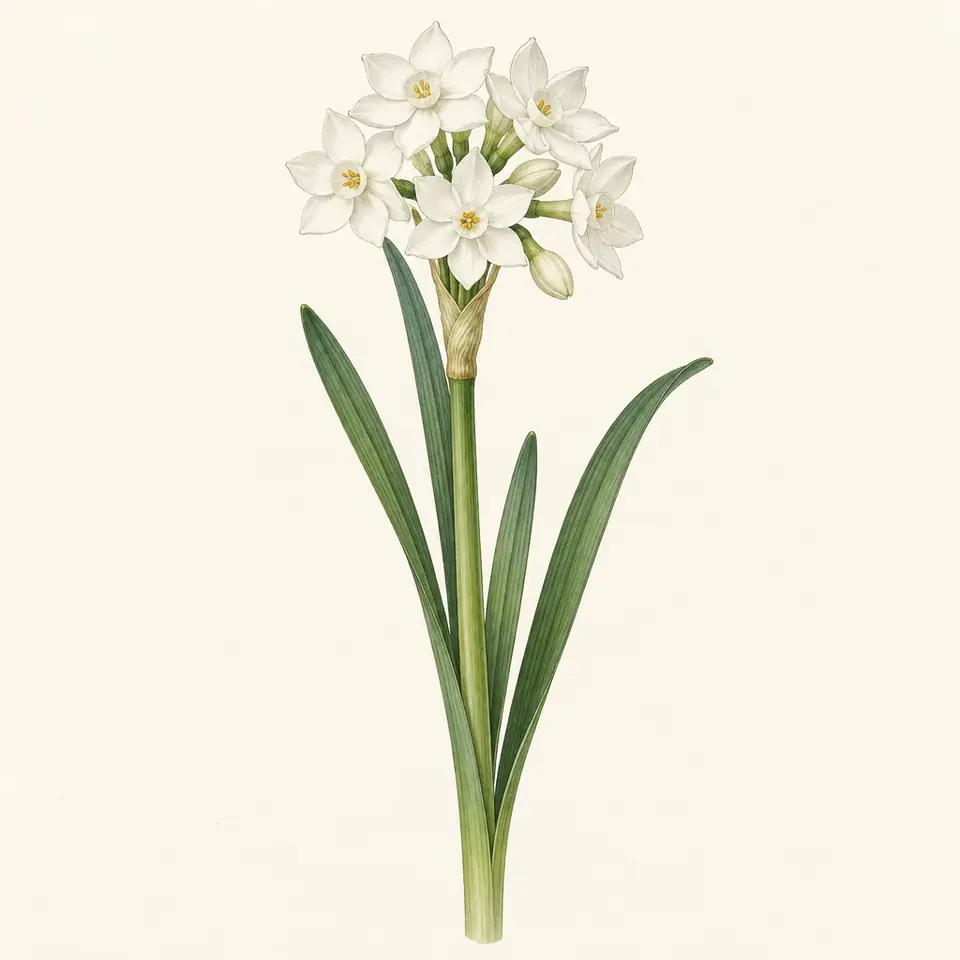 paperwhite paperwhite | Fewer flowers, more structure. Candlelight does more for a winter room than flowers do. |
Three things are available year-round and reliably priced: standard roses, carnations and chrysanthemums. All three have a reputation problem and all three are unfair victims of it — a mass of one color of carnation, cut short and packed tight, looks nothing like a petrol-station bunch.
Heat, cold and the things nobody mentions
Summer weddings lose flowers to heat, not to budget. Hydrangea wilts within the hour out of water; so do dahlias. If your ceremony is outdoors in August, tell your florist that before you choose anything, and expect to be steered toward roses, lisianthus and orchids, which are far tougher. Ask for bouquets to stay in water until the last possible minute and for a spare bucket to exist somewhere.
Winter has the opposite problem: anything left in a cold car goes translucent and black at the edges. Delivery timing matters more than it does in July.
What you actually need
Couples routinely order for the wedding party and forget half the list, then discover it three days out at premium prices. The wedding day flowers checklist is the complete version; the short one is bouquets, boutonnières, corsages for mothers and grandmothers, ceremony arrangements, aisle markers, reception centerpieces, cake flowers and anything for the bar or the escort card table.
The biggest saving available is reuse. Ceremony arrangements can move to the reception during cocktail hour if someone is briefed to move them — name that person. Large aisle pieces become the head table. This is standard practice and most florists will suggest it; if yours does not, ask.
Choosing by meaning
The Victorian language of flowers assigned a meaning to nearly everything, and it is a genuinely useful way in when you have no idea where to start — it gives you a reason to prefer one bloom over another that is not just color. The flower meanings index runs A to Z: what ivy meant, what a striped carnation meant, which flowers were a refusal and which were a promise. Cross it against the season table above and you usually land somewhere good.
For what the blooms look like in a finished bouquet, the bouquet gallery has real ones described by the brides who carried them — black magic roses with pepperberries and silver artemesia, and so on.
Talking to a florist
Bring the room, not a mood board of other people's weddings. Photographs of your venue, the color of the bridesmaids' fabric, the height of the ceilings and the shape of the tables tell a florist more than twenty pictures of arrangements in someone else's light. Give them a total budget rather than asking them to price a list — a good florist will get you far more for a fixed number than for a fixed specification.
Choosing a florist covers what to ask and what to expect in a proposal, and about wedding flowers covers the basics of the arrangements themselves. If you are doing it yourself, the DIY flowers listings are a place to start — but do a full trial run a month out, with the real quantity, and time yourself.
Written and edited by the Today’s Weddings editors. How we research and check what we publish is set out in our editorial standards. Spotted something wrong? Tell us.